WELCOME TO VISIT OUR WEBSITE
English

Views: 0 Author: Site Editor Publish Time: 2026-05-31 Origin: Site


Selecting pieces for a vacation often involves a frustrating disconnect. You see how a garment looks in a perfect studio setting. Then you experience how it actually performs in the sand, heavy surf, or crowded resort pool. Moving past purely trend-driven selections requires an objective look. You must thoroughly evaluate fabric technology, hidden structural support, and your actual daily itinerary. Buying purely for aesthetics frequently leads to wardrobe malfunctions. The most successful summer swimwear investments rely on smarter, strategic choices. You make them by matching specific Swimsuit Styles to your expected activity levels. Support requirements and material durability needs play a critical role. This guide will walk you through evaluating materials and decoding structural features. You will learn how to choose pieces designed for your exact vacation demands. We will help you secure the ideal balance between comfort, durability, and reliable style.
Activity Dictates Architecture: Your choice between a one-piece, bikini, or rash guard should be driven first by vacation itinerary (active water sports vs. poolside lounging).
Material Matters Most: Nylon-spandex blends offer the best stretch recovery, while polyester dominates in chlorine and saltwater resistance.
Construction Over Claims: Reliable support comes from adjustable hardware, hidden underwires, and double-lining, not just the outer fabric cut.
Fit Realities: Torso length and wet-stretch variations are the most common reasons beach swimsuits fail in real-world conditions.
Begin by stripping away the visual marketing. Focus entirely on what you will actually do on your trip. Choosing the right design requires setting a realistic baseline for your physical activity.
We categorize vacation needs into three clear impact levels to guide your choices.
Low Impact: This includes tanning, reading on a lounger, or brief dips in a resort pool. Aesthetic details matter most here. You can prioritize unique cuts over intense structural support.
Medium Impact: This involves wading in the ocean, light lap swimming, or long beach walks. You need moderate support. The garment must stay in place during gentle movement.
High Impact: This covers surfing, snorkeling, or chasing active children across the sand. You require absolute, zero-slip security. Performance metrics override aesthetic preferences in this category.
Establish minimum construction requirements before looking at trendy colors. Determine your bust support needs immediately. Larger busts require wider shoulder straps and hidden underwires. Thin straps dig painfully into skin under the weight of wet fabric. Next, assess your preferred bottom coverage. Some travelers prefer full coverage for active days, while others opt for cheeky cuts. Finally, evaluate your UPF protection needs. Long days under tropical sun demand high necklines or long sleeves. Do not compromise on these structural baselines. If a suit lacks your required support elements, discard it from your list.
You must evaluate how fabrics change when soaked. This represents the ultimate test for performance. Lighter colors often present severe transparency risks once submerged. Water adds significant physical weight to the fabric. This water weight aggressively pulls down halter neckties, causing intense neck strain after a few hours. Poorly constructed fabrics sag instantly. Always assume a suit will fit 5% to 10% looser once submerged. A snug dry fit prevents wardrobe malfunctions later.
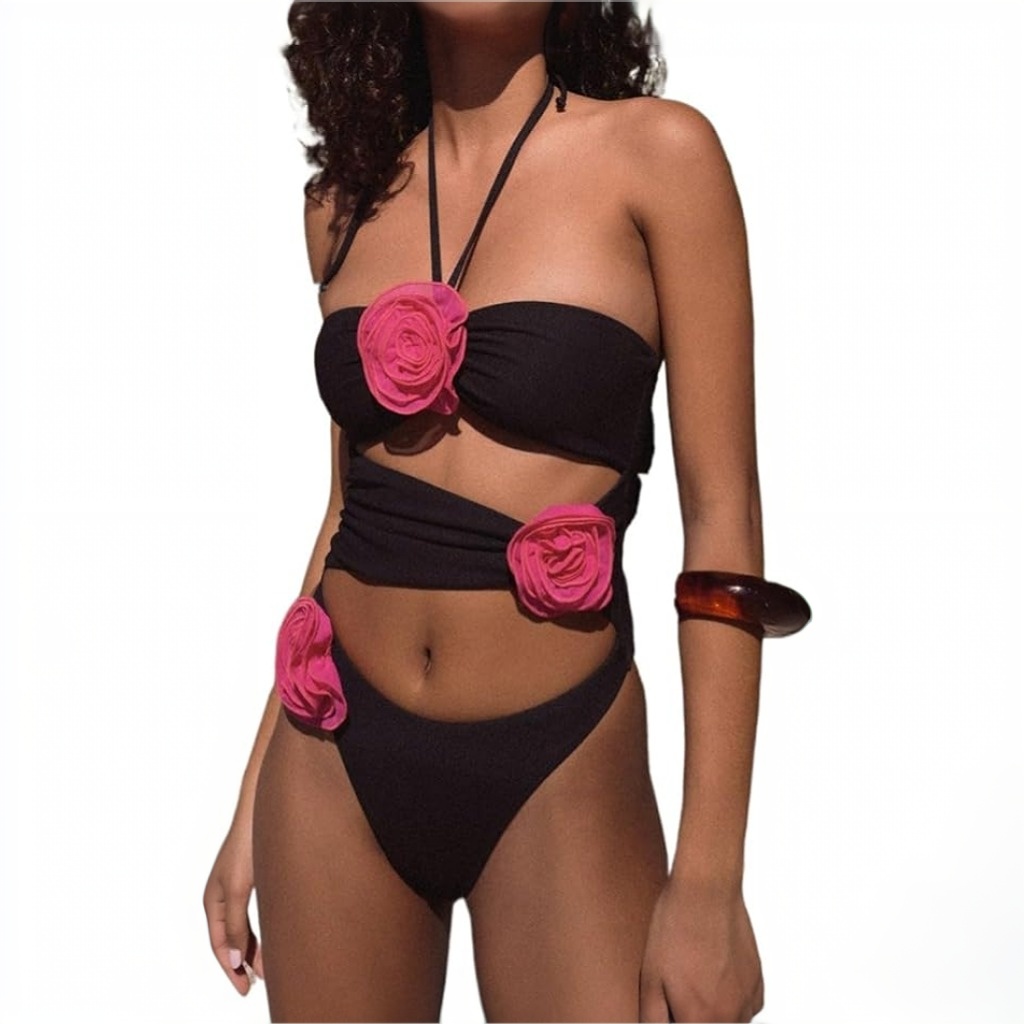
Different silhouettes serve entirely different mechanical functions. Understanding these differences helps you pack the right tools for your trip. We break down the core options below.
Style Category | Primary Pros | Core Cons | Ideal Use Case |
|---|---|---|---|
Classic One-Piece | Seamless silhouette, high security for active movement | Fit depends heavily on torso length; hard to adjust | Active beach days, family vacations, water parks |
High-Waisted Bikinis | Excellent midsection support, allows split-sizing | Retains more body heat; waistbands may roll down | Resort lounging, moderate ocean swimming |
Athletic & Rash Guards | Maximum UPF protection, complete zero-slip security | Slower drying times due to increased fabric volume | Surfing, snorkeling, extended sun exposure |
Adjustable Triangle | Highly customizable fit, produces minimal tan lines | Lowest security rating; highly reliant on knots | Private tanning, low-impact poolside reading |
The one-piece provides a seamless, elegant silhouette. It delivers exceptional high security for highly active days. You never worry about the top and bottom separating in heavy surf. However, the fit relies entirely on your torso length. Standard sizing makes adjusting for different top and bottom proportions quite difficult. Taller individuals often experience uncomfortable pulling at the shoulders.
These two-piece designs deliver excellent midsection support. They famously allow for split-sizing. This remains absolutely crucial for women’s swimsuits where upper and lower body proportions differ. On the downside, the extra fabric coverage retains more heat. Poorly constructed elastic waistbands frequently roll down if they lack internal silicone grip strips.
These performance pieces prioritize safety over tanning. They offer maximum UPF protection and zero-slip security. You can tackle heavy ocean activities with total confidence. Their primary drawback involves slower drying times. The increased fabric volume holds water longer, making them less ideal for quick transitions to indoor dining.
String styles focus heavily on user customization. They offer a highly adjustable fit and leave minimal tan lines. You can slide the fabric panels to match your exact bust width. Yet, they hold the absolute lowest security rating for wave action. They rely entirely on knot integrity. One loose string leads to immediate exposure in rough water.
Fabric composition dictates the lifespan of your garment. Structural integrity relies on chemistry just as much as tailoring. We must look closely at synthetic fibers and hardware.
Nylon feels incredibly soft against bare skin. It offers high stretch capabilities and drapes beautifully. However, nylon remains highly prone to surface pilling over time. It also degrades faster in chlorinated pools. Polyester feels slightly stiffer upon first touch. Yet, it provides highly durable wear. Polyester holds color brilliantly against aggressive UV rays and harsh saltwater. It simply offers less stretch than nylon.
Elastane, commonly known as Spandex, determines shape retention. Industry standards suggest an ideal range of 15% to 20% elastane in quality pieces. Anything lower sags quickly after one wash. Anything higher traps too much heat and degrades rapidly when exposed to pool chemicals.
Construction hardware separates premium activewear from cheap alternatives. Metal S-hooks and adjustable sliders drastically outperform plastic clasps. Plastic becomes brittle under intense UV exposure. It snaps easily after just a few uses. Simple tie-knots loosen naturally as your body moves. Metal hardware ensures long-term reliability. Look specifically for rust-resistant alloys or powder-coated metals to prevent discoloration.
We strongly recommend evaluating single versus double-lined garments. Single-lined pieces dry very quickly. However, they lack meaningful structure and provide zero compression. Double-lined garments prevent embarrassing transparency. They also trap a micro-layer of air, providing slightly better thermal regulation. Built-in power mesh panels offer a massive upgrade. These panels provide targeted midsection compression without sacrificing breathability.
You must align your wardrobe tightly with your daily schedule. Buying the right beach swimsuits means anticipating your environment. Here are three common vacation profiles.
You plan to lounge in a cabana, read a novel, and order drinks. Prioritize aesthetic hardware and highly textured fabrics. Ribbed or crinkle materials work beautifully in this low-impact setting. You can safely explore asymmetrical cuts, bandeau tops, or one-shoulder designs. Wave-security represents a non-issue here. You can focus purely on style and comfort.
You plan to surf, paddleboard, or swim vigorously in open water. Shortlist styles featuring sturdy racerbacks. Look for thick shoulder straps measuring over one inch wide. Thin straps dig painfully into your shoulders during repetitive swimming motions. Demand highly secure closures like heavy-duty zippers or thick metal clasps. Avoid anything requiring a manual knot.
You plan to move directly from the sand to a local cafe. Select highly versatile pieces. Many structured tops double perfectly as bodysuits or crop tops. Pair them with denim shorts, wrap skirts, or airy linen trousers. This approach ensures seamless beach-to-lunch transitions. It also saves precious luggage space by combining your daywear and activewear into one functional outfit.
Even the best designs fail spectacularly if the fit misses the mark. Watch out for these highly specific sizing traps.
Standard sizing frequently fails taller individuals in one-piece designs. A garment cut too short pulls painfully at the shoulders and aggressively at the crotch. This creates an unwearable silhouette. Measure for "tall" or "long torso" variants before ordering. Run a flexible tape measure from the top of your shoulder, down through your legs, and back up your back to the starting point. Compare this full-loop measurement against brand sizing charts.
You must anticipate how fabric behaves in the real world. Spandex expands between 5% and 10% when wet. A garment fitting perfectly dry in your bedroom often feels loose and unsupportive in the ocean. We strongly recommend sizing down slightly if you fall exactly between two sizes. A tighter dry fit prevents embarrassing sagging during active aquatic movements.
Approach highly elastic crinkle fabrics with healthy skepticism. Brands market them as universal, one-size solutions. We must identify their actual mechanical support limits. These garments lack internal structure entirely. They cannot support larger busts adequately during movement. Furthermore, extreme stretching wears down the delicate elastane fibers very quickly. Their overall elasticity and longevity drop significantly after just a few machine washes.
Packing efficiently requires a strategic, logic-based approach. We recommend using a proven framework to build your travel wardrobe.
An optimal packing list includes exactly three distinct garments.
One Active Suit: Keep this reserved strictly for demanding water sports or heavy swimming.
One Lounging Suit: Use this for relaxing days, tanning, or spa visits.
One Transitional Backup: Wear this versatile piece while your other garments hang out to dry.
This simple rotation extends the lifespan of each garment significantly. Giving elastane 24 hours to recover fully between wears prevents premature fiber breakdown.
Never remove the retail tags before testing the garment at home. First, perform the "bend and reach" test. Touch your toes. Reach high into the air. Twist your torso rapidly side to side. The garment should stay perfectly in place without requiring adjustments. Next, perform a wet test in your shower. Assess transparency issues and water weight distribution before you ever reach the sand.
Selecting the best options requires looking far past initial rack appeal. You must evaluate the garment as technical activewear tailored directly to your specific vacation environment. Aesthetic details absolutely matter, but structural integrity dictates your daily comfort. A poorly made piece ruins a beach day faster than bad weather.
Measure your torso and bust accurately before placing any orders. Prioritize specific fabric compositions—like high-polyester blends for durability—over trendy brand names. Order a tight, focused shortlist based entirely on your confirmed itinerary. Perform strict physical tests at home. By following these exact steps, you guarantee a confident, comfortable, and stylish vacation experience.
A: High-polyester blends offer the best defense against harsh elements. Polyester resists chlorine degradation and holds color against intense UV exposure far better than nylon. Look for fabrics specifically treated for UV resistance to prevent rapid color fading during long trips.
A: You must prioritize pieces containing 15% to 20% elastane (spandex) for optimal shape retention. Always choose double-lined garments for better structural integrity. Most importantly, size down if you are between sizes; a snug dry-fit accommodates the natural 5-10% expansion that occurs when spandex gets wet.
A: Yes, they are mechanically different. Certified UPF 50+ garments feature a much denser fabric weave that physically blocks radiation. Many are also treated with specific chemical UV absorbers during manufacturing. Standard nylon pieces stretch out and allow harmful rays to easily penetrate the gaps in the fabric.
A: You should use the standard tape-measure loop method. Take a flexible measuring tape, place it at the top of your shoulder, run it down between your legs, and bring it back up your spine to the starting point. Compare this full-circle measurement against a brand's specific long-torso sizing chart.


