WELCOME TO VISIT OUR WEBSITE
English

Views: 0 Author: Site Editor Publish Time: 2026-06-08 Origin: Site


Choosing the right workout gear goes beyond mere aesthetics. It directly impacts your biomechanics, comfort, and physical performance. If you select the wrong rise, your entire training session suffers. You might find yourself constantly pulling up fabric or feeling restricted during deep breathing. We must treat this choice as a functional decision. Our evaluation framework relies on clear criteria. We will examine torso proportions, activity intensity, compression needs, and garment construction quality. Activewear fatigue is a real problem. Many buyers experience waistbands rolling down, seams pinching the stomach, or fabrics trapping excess heat. By understanding the structural differences between cuts, you can make an objective, evidence-based choice. This guide will help you navigate these factors. You will learn exactly how to match the garment to your unique body and exercise routine.
High-waisted leggings sit 2-3 inches above the navel, offering superior core support and coverage for high-impact activities, but require high-quality, breathable fabrics to prevent overheating or digestion restriction.
Regular (mid-rise) leggings sit at or slightly below the natural waistline, providing maximum torso mobility and heat dissipation, making them ideal for seated workouts (cycling) or hot climates.
The Maternity Reality: Sizing up in regular high-waisted leggings often fails by the second trimester; true maternity leggings offer better ROI for prolonged use.
Construction Over Cut: A seamless gusset (anti-camel toe) and 4-way stretch are non-negotiable quality indicators, regardless of the waist height you choose.
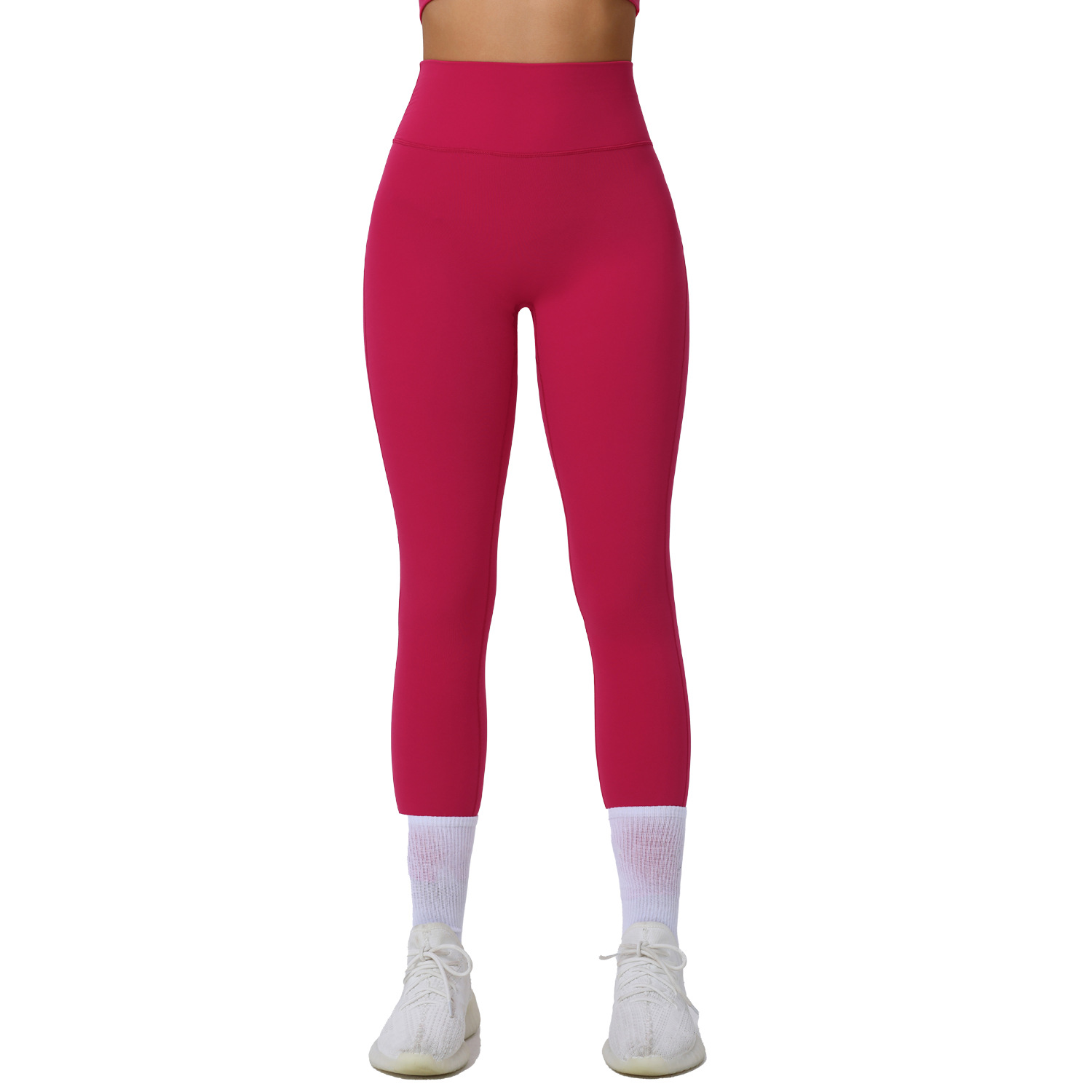
Understanding the anatomy of the rise is crucial for making the right choice. The exact cut lines dictate how the garment interacts with your body during movement. high waisted leggings provide full midsection coverage. They typically stop near the lower ribcage. This cut engulfs the entire abdominal area. Conversely, regular leggings anchor directly at the hip bones and lower abdomen. They rest at or slightly below your natural waistline.
Pressure distribution changes drastically between these two styles. Wide-band, higher cuts act as mild shapewear. They often deliver a compression level around 8-15 mmHg. This gentle squeeze provides continuous lower back feedback. It actively stabilizes your core during heavy lifts or long runs. The pressure helps maintain posture when fatigue sets in.
Regular cuts deliver a fundamentally different experience. They offer a highly natural fit. Because they sit lower, they eliminate stomach binding entirely. This creates a zero-restriction feel across the diaphragm. You breathe easier during intense aerobic efforts. The lack of upper abdominal pressure feels incredibly freeing. Many athletes prefer this structure for endurance events where deep, unobstructed breathing is mandatory.
Every garment choice involves trade-offs. You must weigh the desired outcomes against potential pitfalls. Let us examine the reality of wearing each style in demanding environments.
The primary outcomes are highly favorable for aggressive movements. You gain squat-proof confidence. The extended fabric ensures continuous coverage during overhead movements like pull-ups or shoulder presses. It also provides a stable, secure placement for side pockets. Your phone will not bounce or drag the pants down.
However, you must watch out for specific risks. The dreaded "rolling down" effect happens frequently. If the elastic band lacks integrity, it will fold over during bending. Incorrect sizing exacerbates this issue. Furthermore, lower-quality nylon blends carry serious risks. They can trap moisture against your stomach. In extreme cases, tight seams might cause friction burns across your lower ribs.
Lower waistlines excel in different areas. The most significant outcome is unrestricted diaphragm movement. Your stomach expands naturally without fighting elastic resistance. You also benefit from superior heat management. Less fabric means faster sweat evaporation. Additionally, they make layering much easier. You can wear longer tops without bulky fabric bunching underneath.
The risks involve stability. You face a higher risk of the waistband slipping during explosive movements like box jumps. Another common pitfall is the "muffin top" effect. If the waistband is too narrow, it might dig into your sides. A lack of elasticity will inevitably cause pinching.
Feature / Outcome | High-Waisted Cut | Regular (Mid-Rise) Cut |
|---|---|---|
Core Support | Excellent (8-15 mmHg compression) | Minimal (Zero abdominal binding) |
Coverage Security | High (Squat-proof, overhead safe) | Moderate (May slip during explosive reps) |
Heat Management | Lower (More fabric traps heat) | Superior (Allows rapid core cooling) |
Common Pitfalls | Waistband rolling, digestion restriction | Muffin-top effect, sliding down hips |
Matching your apparel to your training modality prevents frustration. A garment designed for yoga will likely fail during a sprint workout. You must audit your primary workout style to select the right technical features.
Activities like running, high-intensity interval training (HIIT), and heavy lifting demand stability. We strongly recommend higher cuts for these scenarios. The continuous coverage protects you during dynamic transitions. You do not want to pull your pants up after every burpee.
The technical requirements are strict. Look for internal grippers along the top seam. These silicone strips prevent the fabric from sliding. You need high compression. Aim for a 3/5 to 4/5 compression rating. Finally, inspect the stitching. Demand opaque, merrow-style stitching. This robust construction withstands deep squats without creating sheer spots or bursting.
Yoga, Pilates, and indoor cycling require different biomechanics. We recommend regular cuts for these modalities. You could also use a very low-compression high-waisted variant. Deep torso twists demand freedom. Heavy compression fights against your natural flexibility.
Seated bending creates unique challenges. Wearing high waistlines on a spin bike often causes uncomfortable bunching. The fabric folds over itself, pressing into your stomach. Regular waistlines prevent this entirely. They allow for deep forward folds without abdominal pinching. For these garments, flat or flush seaming is a mandatory technical requirement. It prevents chafing during repetitive, high-friction movements.
Your unique anatomy plays a massive role in how activewear fits. A style acting perfectly on one person might fit terribly on another. Understanding your body proportions ensures a customized, comfortable experience.
Torso length changes the effective rise of any garment. People possessing short torsos often experience fit issues. For them, a regular cut often fits exactly like a high-waisted one. If a short-torso individual buys a super-high rise, the waistband might hit their bra line. This causes massive discomfort.
Conversely, long torsos require extended fabric. They benefit both structurally and aesthetically from a taller cut. It balances their visual proportions. The extra material ensures the waistband actually reaches their natural waist, preventing awkward slipping.
Pregnant athletes often face the infamous 17-week dilemma. Their standard activewear becomes unbearably tight. A common mistake involves simply buying a larger size of their favorite high waisted leggings. This strategy almost always fails by the second trimester. Upsizing leads to sagging crotches and loose, rolling waistbands.
We direct pregnant users toward specialized maternity cuts. These feature highly engineered U-shaped abdominal panels. They expand dynamically as the baby grows. True maternity activewear offers a much better return on investment. They provide gentle support without compressing the uterus.
Many people wear activewear outside the gym. Wellness considerations become paramount for daily use. Prolonged standing or sitting affects blood flow. High-waisted variants featuring graduated compression act as functional wellness tools.
Graduated compression is tighter at the ankles and gently decreases upward. This structural design heavily supports venous return. It helps push blood back toward your heart. They are exceptional for long flights or demanding standing shifts. However, you must ensure the fabric remains highly breathable. Wearing heavy compression in hot environments can cause overheating.
Never rely solely on a brand's marketing claims. You need a systematic approach to verify garment quality. A quick physical audit saves you from buying defective or poorly designed gear. Follow these non-negotiable steps before removing the tags.
The Gusset Check: You must mandate a seamless gusset insert. A gusset is the diamond or triangle patch sewn into the crotch area. A seamless design prevents awkward front-gapping. It eliminates the dreaded camel toe. More importantly, it ensures structural durability by redistributing seam stress.
Fabric Composition: Always evaluate the spandex or elastane ratio on the tag. You want a minimum of 15-20% elastane for performance wear. High stretch recovery is vital. It prevents the eventual bagging and sagging ruining both high and regular waists over time.
The Squat and Sit Validation: Advise yourself to perform the ultimate fit test. Put the garment on and drop into a deep squat. Check the crotch area for excess fabric. Check the back waistband for severe gapping. Then, sit in a chair and lean forward. If the waistband aggressively rolls or pinches, the garment will fail during actual use.
The choice between waistline heights heavily dictates your athletic experience. Our final verdict recognizes distinct champions for specific scenarios. High-waisted cuts remain the absolute technical standard for high-impact performance. They deliver unmatched core security and coverage. Meanwhile, regular leggings stand as the superior choice for high-mobility training. They excel in low-heat environments and serve beautifully as casual transition wear.
Your next steps are straightforward. First, audit your primary workout style. Decide whether you prioritize heavy impact stability or fluid flexibility. Next, measure your torso length to set realistic fit expectations. Finally, prioritize construction features over trendy aesthetics. Always demand seamless gussets, flat seams, and high stretch recovery. Applying this logic ensures you purchase activewear serving your body flawlessly.
A: Rolling usually stems from sizing issues. If the pants are too small, they stretch beyond their capacity and fold. It also happens if the waistband lacks a continuous elastic drawcord. Finally, a severe mismatch with your body proportions, like having a short torso, forces the fabric to bunch and roll.
A: Yes, they generally provide more relief. Regular cuts sit lower on the hips. They remove restrictive pressure from the stomach and upper digestive tract. If you experience bloating, avoiding high-compression waistbands across your midsection greatly improves comfort during both workouts and daily wear.
A: You can, but it carries risks. Weightlifting requires a secure waistband to prevent slipping during deep squats or deadlifts. High cuts are generally preferred because they grip the core securely. If you use regular cuts on the bench or rack, ensure they feature an interior drawstring to avoid sliding.


