WELCOME TO VISIT OUR WEBSITE
English

Views: 0 Author: Site Editor Publish Time: 2026-05-29 Origin: Site


Choosing between a one-piece and a two-piece is rarely a simple aesthetic preference. For many shoppers at the decision stage, this choice dictates physical comfort, activity suitability, and practical logistics. You must consider daily realities like bathroom accessibility and complex sizing configurations. The debate extends far beyond the basic concept of modesty versus exposure. Evaluating these differences requires looking at biomechanics, fabric longevity, and highly specific use cases. You might need reliable support for high-impact aquatic sports. Alternatively, you may want maximum thermal regulation for prolonged sun exposure at beach festivals. This guide breaks down the structural differences, hidden practical realities, and essential evaluation criteria. You will learn how to match your wardrobe to your specific lifestyle. We will help you invest in the correct swimwear for your unique body mechanics.
Activity Dictates Structure: One-pieces act as high-security "aquatic armor" for dynamic sports, while bikinis offer maximum thermal regulation and mobility for leisure.
Sizing Flexibility: Bikinis allow for split-sizing (crucial for those with disparate bust-to-hip ratios), whereas one-pieces require a uniform fit and are heavily dependent on torso length.
The Hidden Logistics: Real-world usability—specifically the difficulty of peeling off a wet one-piece in a public restroom—is a primary driver for women switching to two-piece options like tankinis.
The Wardrobe Strategy: Rather than a binary choice, optimal swimwear planning involves a two-suit baseline: one functional one-piece for activity and one customizable bikini for leisure.
We must first define the structural foundation of these garments. The traditional one-piece is often called a maillot. It operates as a single, unified garment. It covers the torso, bust, and groin continuously. Designers prioritize seamless compression and reliable core support. Modern one piece swimsuits often feature specialized tummy control panels. These panels use power mesh to provide a secure, locked-in feeling. You will find numerous stylistic variations on the market today. High-neck cuts offer maximum chest protection. Racerbacks increase shoulder mobility. Cut-outs provide ventilation. The "Monokini" acts as a unique hybrid. It offers dramatic side cutouts connected by a continuous front fabric panel.
Conversely, we have the classic two-piece. It divides into entirely separate top and bottom components. This structure leaves the midriff exposed to the air. Shoppers favor this design for its modularity and breathability. It also minimizes visible tan lines during outdoor relaxation. Sub-categories provide excellent middle-ground solutions. The tankini is the most prominent example. It pairs a tank-style top with standard bottoms. This effectively bridges the coverage gap. You gain the torso coverage of a unified suit. However, you retain the functional modularity of a separated garment.
Your physical environment should heavily influence your wardrobe choice. High-intensity aquatic sports highlight the unified suit advantage. They are absolutely essential for activities involving physical contact. They also excel in high-drag environments. Think about aggressive water polo, dedicated lap swimming, or active surfing. A secure garment prevents dangerous grab hazards. Wide straps eliminate wardrobe malfunctions during dynamic movements. You need this reliable "aquatic armor" when athletic performance matters most. The continuous fabric reduces hydrodynamic drag significantly. This allows you to glide through water efficiently.
Leisure settings shift the advantage toward separated garments. They are optimal for heat management in extreme weather. You can maximize sun exposure while lounging. Both garment styles offer impressive crossover utility off the beach. A well-designed unified suit easily doubles as a stylish bodysuit. You can pair it seamlessly with denim shorts for a casual lunch. Meanwhile, structured tops function perfectly as trendy bralettes. You often see them worn at summer music festivals under sheer layers.
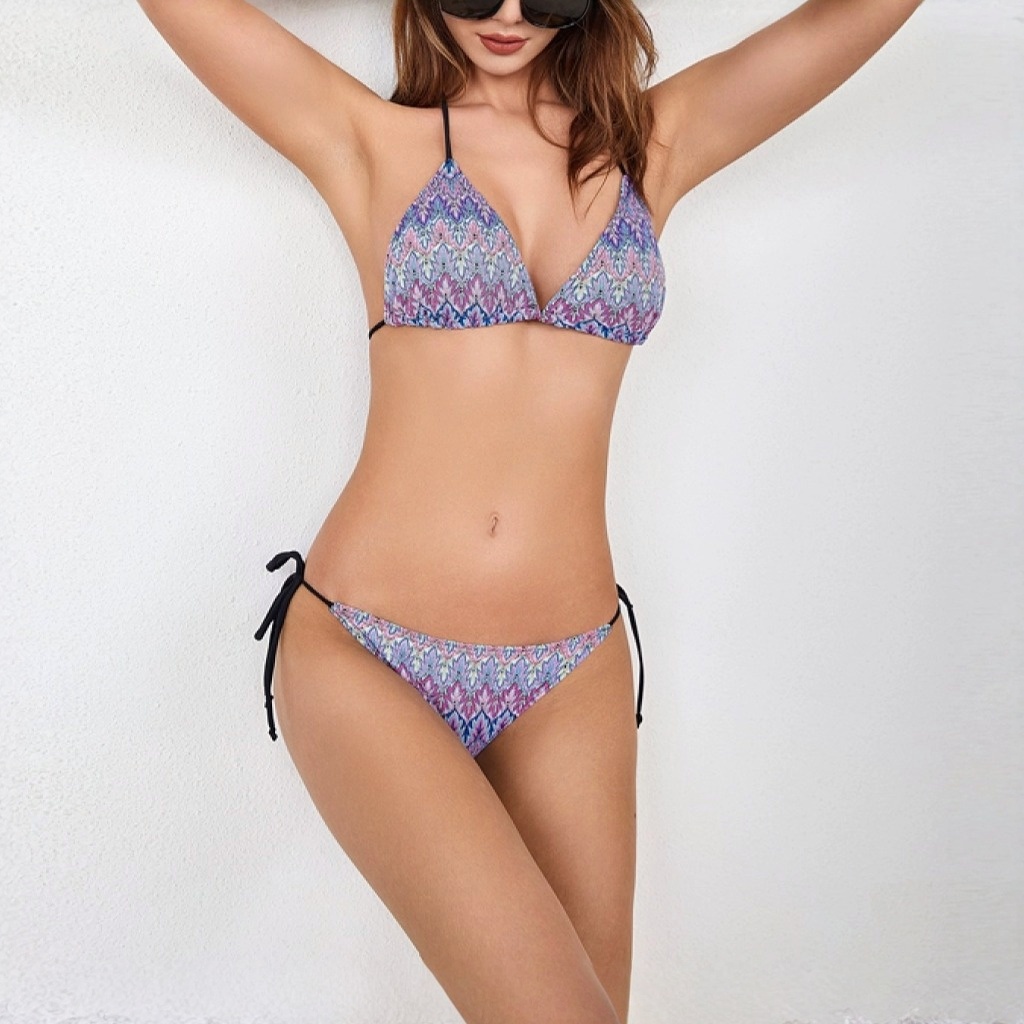
The split-sizing conundrum frustrates many buyers. Bikinis offer a definitive benefit here. Women frequently have a large bust and narrow hips. Sometimes they experience the exact reverse proportions. A separated design lets you buy contrasting sizes effortlessly. You might combine a 36D top with a medium bottom. Many bra-sized tops also provide sturdy underwire support. Standard unified garments typically lack this specialized architecture. This forces a difficult fit compromise. A suit fitting the bust perfectly might sag around the waist.
Torso length presents another massive fitting variable. Vertical body proportions dictate your overall comfort level. Long-torso body types often experience painful riding up. This causes uncomfortable crotch pull during normal movement. Bio-mechanically, separated tops or tankinis serve longer torsos much better. They eliminate vertical tension entirely.
We can evaluate fit using a simple body shape matrix. This helps map biomechanical needs to specific styles.
Body Shape | Recommended Style Focus | Bio-Mechanical Benefit |
|---|---|---|
Pear Shape | High-cut maillots or high-waisted bottoms | Visually elongates the legs and balances wider hip proportions securely. |
Apple Shape | Ruched front panels or flowy tankinis | Provides comfortable midsection coverage without tight abdominal restriction. |
Long Torso | Separated two-piece or longline tankini | Eliminates vertical fabric tension and painful riding up during activity. |
Large Bust | Bra-sized underwire tops (split-sizing) | Delivers structural chest support that standard unified garments often lack. |
We must address the restroom reality honestly. User-generated feedback consistently highlights this massive pain point. Removing a tight, freezing, soaking-wet suit in a public stall is terrible. Struggling to pull the damp fabric back up is a widely reported nightmare. Separated models eliminate this friction entirely. They offer unmatched convenience in public restrooms or beachside porta-potties. Mothers managing energetic toddlers at the pool especially praise this logistical benefit. You save time and avoid immense physical frustration.
Lifespan and replacement costs also influence the decision. A separated set acts as a smart economic hedge. Suppose your bottom wears out prematurely. Chlorine exposure often causes rear fabric sagging over time. You can cheaply replace it with a standard black bottom. You still retain the original top perfectly. If a unified suit incurs localized damage, the situation changes. The entire garment is ruined. It must be retired immediately, forcing a full-price replacement.
Fabric composition matters much more than visual style. Industry standards heavily rely on distinct synthetic blends. Nylon and Spandex usually combine in an 80/20 ratio. This offers high stretch and a very soft feel. It performs beautifully for saltwater trips and general leisure. However, polyester blends are mandatory for frequent pool-goers. Polyester is highly resistant to chlorine degradation. It prevents color fading and stops fabric thinning over time.
Expected lifespan varies strictly based on your routine. Under high-frequency use, structural integrity degrades fast. Three or more weekly sessions in chlorinated water limit the garment. Expect it to last approximately three to six months. This applies to all swimsuits, regardless of their specific cut. Proper care extends this timeline considerably.
Immediate Fresh-Water Rinse: Wash away salt and chlorine instantly after exiting the water.
Gentle Hand Washing: Use mild detergent and avoid harsh washing machines.
Avoid Wringing: Press the water out gently to protect the Spandex fibers.
Dry Flat: Never hang them by the straps. Keep them out of direct baking sunlight.
Make your purchasing decision using a structured, step-by-step approach. Avoid buying purely based on a trendy catalog photo.
Assess Your Primary Environment: Determine if you frequent the pool or the beach. Chlorine and athletic sports require durable, secure gear. Salt, sand, and leisure allow for softer, modular fabrics.
Evaluate Your Biomechanics: Ask yourself if you have a exceptionally long torso. Check if you require two completely different sizes for your top and bottom. If yes, lean heavily toward separated options.
Determine Your Comfort Threshold: Weigh your personal desire for physical security. Balance the secure coverage of a unified suit against bathroom convenience.
Embrace The Hybrid Recommendation: Some buyers remain completely unable to decide. A tankini offers the exact coverage footprint of a unified suit. Yet it retains the logistical superiority of a separated garment.
The difference between these garments is firmly rooted in utility, fit mechanics, and scenario planning. Unified garments deliver unmatched security, drag reduction, and sleek compression. They remain the default choice for active aquatic environments. Separated sets offer unparalleled modularity, precise split-sizing, and daily practical convenience. Ultimately, evaluating your unique torso length, bust support needs, and bathroom logistics will guide your investment. Stop viewing this as a binary choice. Consider building a functional rotation featuring both. Secure an athletic suit for active days and a modular set for relaxed weekends. This ensures you always have the right tool for the environment.
A: A tankini is technically a two-piece garment. It operates as a specific sub-category of the bikini. However, it functions visually and stylistically like a single unified suit. It provides full torso coverage while maintaining separated modularity for practical convenience.
A: A one-piece is objectively better for lap swimming. Racerback or fastback designs reduce hydrodynamic drag significantly. They also eliminate the risk of ties coming undone during aggressive flip turns. You gain superior security and efficiency in the water.
A: Water creates a tight vacuum seal between the spandex-blend fabric and your skin. Without a break in the garment, you face intense friction. You must combat both gravity and surface tension to roll the wet fabric down your body.
A: Yes. Modern designs frequently incorporate dual-purpose styling. They seamlessly pair with denim shorts, trousers, or flowy skirts. This makes them perfect for outdoor festival wear, resort lounging, or casual lunches near the water.


