WELCOME TO VISIT OUR WEBSITE
English

Views: 0 Author: Site Editor Publish Time: 2026-07-29 Origin: Site


Sourcing a reliable full-zip hoodie manufacturer requires moving past promotional-grade blanks. You need factory partners capable of handling technical fabrics and complex hardware construction. For athletic apparel brands, the full-zip hoodie represents a high-liability garment. Poor zipper tension, aggressive fabric pilling, or weak structural seams directly impact your brand reputation. They also drive up expensive return rates. Consumers expect performance, durability, and flawless aesthetics from their athletic wear.
This guide breaks down the complex OEM sportswear evaluation process from start to finish. We detail essential technical capabilities you must demand. We explore common production risks and provide practical mitigation strategies. Furthermore, we outline strict shortlisting frameworks. These insights will help your sourcing teams confidently select a scalable, highly competent manufacturing partner capable of meeting modern athletic demands.
Standard fleece factories often fail at athletic sportswear due to a lack of specialized machinery (e.g., flatlock stitching, activewear tensioning).
Evaluating a manufacturer requires assessing their supply chain for specialized hardware, specifically reverse-coil or auto-lock zippers.
Mitigating production risks requires strict adherence to Tech Packs and a structured sampling phase before committing to high Minimum Order Quantities (MOQs).
A credible OEM partner provides transparency regarding their quality control (QC) frameworks, compliance certifications, and raw material sourcing.
Brands often underestimate the operational differences between basic cotton-blend hoodies and performance garments. A promotional factory excels at stamping logos on standard fleece blanks. However, constructing a premium athletic sweatshirt involves complex engineering. Activewear requires distinct fabric tensions, specialized thread compositions, and precise hardware integration. Relying on a standard apparel factory for technical gear often leads to structural failures.
Chasing the lowest unit cost usually introduces hidden operational expenses. Cheap manufacturing frequently results in higher defect rates. You might face crooked zippers, uneven hems, or immediate fabric pilling. These defects delay your go-to-market timelines. They also ruin profit margins through customer returns. Investing in a specialized oem sportswear partner prevents these issues. Quality manufacturers charge higher initial premiums. However, they deliver consistent sizing, robust hardware, and reliable delivery schedules. This consistency ultimately protects your bottom line.
Your manufacturing partner must grow alongside your brand. A boutique factory might perfectly execute a 500-unit pilot run. Yet, they may struggle immensely when you order 10,000 units for a peak season. Scalable factories offer specific advantages:
Dedicated Production Lines: They reserve specific machines and operators for your recurring orders.
Material Financing: Larger factories can pre-purchase and hold raw materials, reducing future lead times.
Consistent Automation: They utilize automated cutting and folding equipment to maintain uniformity across massive volumes.
Robust Sub-supplier Networks: They hold strong relationships with fabric mills and hardware vendors to prevent supply chain bottlenecks.
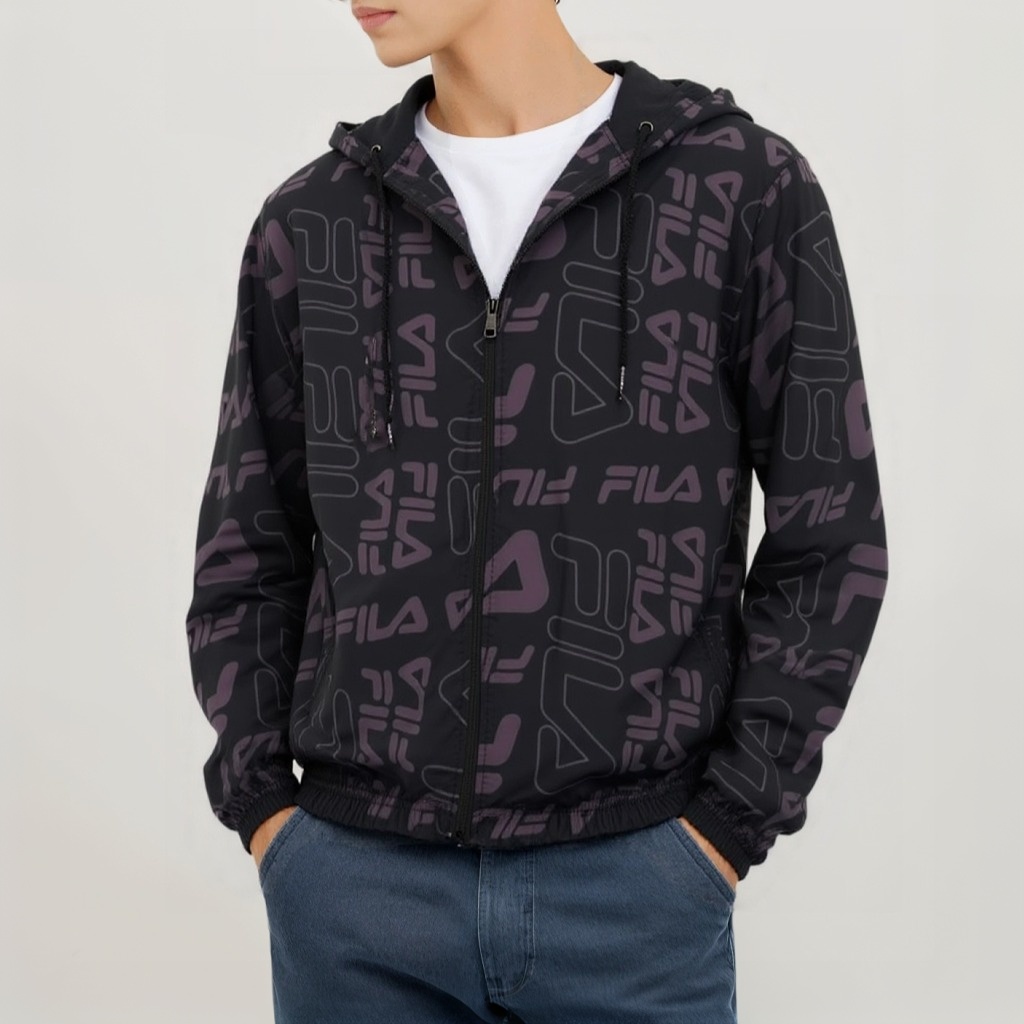
Evaluating potential partners requires deep technical scrutiny. You must look beyond slick marketing catalogs. A true athletic apparel manufacturer demonstrates expertise across hardware, fabrics, and construction.
Zippers represent the most common point of failure in activewear. Your factory must source high-grade hardware. Evaluate their zipper choices carefully. Industry standards like YKK or SBS offer proven durability. Performance garments often require auto-lock sliders to keep zippers closed during running. You may also need waterproof taping for outdoor gear.
Installation technique matters equally. Improper zipper installation causes a "wavy" or puckered center front. This happens when the sewing operator stretches the fabric while feeding the rigid zipper tape. Specialized factories use differential feed sewing machines. These machines balance the fabric tension against the zipper tape. This technique guarantees a perfectly flat, professional center seam.
Athletic fabrics behave very differently from rigid cottons. Handling four-way stretch, moisture-wicking poly/spandex blends requires specific expertise. For instance, creating a premium lightweight zip hoodie involves manipulating delicate knit structures. If factory needles are too dull, they will snag and destroy fine synthetic yarns.
Furthermore, manufacturers must actively prevent dye migration. Synthetic fabrics dyed in dark colors often bleed into lighter fabrics or screen prints. A competent factory employs blocking bases or specific curing temperatures. This expertise ensures logos remain bright white rather than turning a murky pink over time.
Proper machinery separates basic factories from advanced ones. Standard overlock machines suffice for cheap apparel. Athletic wear demands more. You must verify flatlock machines, activewear overlock variations, and cover-stitching capabilities. Flatlock seams prevent chafing during intense physical activity.
Pattern drafting precision is critical for active movement. A well-designed mens training hoodie incorporates articulated elbows and raglan sleeves. These elements allow full shoulder rotation without pulling the garment's hem upward. The factory must translate these complex 3D movements into precise 2D paper patterns.
Capability Domain | Standard Apparel Factory | Specialized OEM Sportswear Partner |
|---|---|---|
Hardware Application | Standard coil zippers; prone to wavy center seams. | Auto-lock sliders; differential feed machines for flat seams. |
Fabric Handling | Rigid cotton/poly blends; limited stretch recovery. | 4-way stretch poly/spandex; advanced dye migration control. |
Stitching Machinery | Basic 4-thread overlock; bulky interior seams. | 6-thread flatlock machines; chafe-free interior construction. |
Pattern Engineering | Blocky, drop-shoulder designs; limits athletic mobility. | Raglan sleeves, articulated joints, active body mapping. |
Technical skills matter little if the factory lacks operational maturity. You must assess their business infrastructure. This ensures they can reliably execute your purchase orders.
Every factory has a production "sweet spot." Some excel at nimble 300-unit runs. Others require 5,000 units just to turn on the machines. Understanding this sweet spot prevents alignment issues. Negotiate tiered MOQs early in the relationship. If you use available in-stock fabrics, factories often lower the MOQ. Custom-dyed fabrics to match specific Pantone colors invariably require higher volume commitments.
Never rely on a factory promising "100% quality." Demand structured QC frameworks. Define explicit Acceptable Quality Limit (AQL) standards in your contract. An AQL of 2.5 is standard for premium apparel. This metric dictates exactly how many minor defects are permissible per batch.
Distinguish between in-line inspection and end-of-line inspection. End-of-line QC catches mistakes after finishing the garment. In-line QC catches errors during the sewing process. In-line inspection protocols prevent ruined batches. They correct hardware insertion errors and weak seam strengths immediately.
Modern consumers demand transparent, ethical supply chains. Verify factory certifications independently. Look for WRAP (Worldwide Responsible Accredited Production) or OEKO-TEX® certifications. ISO 9001 indicates a rigorous quality management system.
Assess their transparency regarding sub-contracting practices. Many factories accept large orders, then secretly farm the work out to unverified facilities. Unauthorized outsourcing destroys quality consistency. It also exposes your brand to severe labor compliance risks. Enforce strict penalties for unauthorized sub-contracting within your manufacturing agreement.
Even premium factories encounter production challenges. Proactive sourcing teams anticipate these risks. They build clear mitigation strategies into their development timelines.
Athletic fabrics contain high levels of spandex. They require proper "resting" time after unrolling from the fabric bolt. If workers cut the fabric immediately, the panels will shrink unevenly. This improper tension release leads to torqueing. Consumers wash the garment, and the zipper twists sideways. The asymmetrical hem ruins the garment's fit. Proper fabric resting protocols eliminate this risk.
Designers sometimes specify heavy, chunky zippers for aesthetic reasons. Applying heavy hardware to lightweight performance fabrics causes immediate failure. The fabric cannot support the zipper's weight. It sags, tears, or jams. Manufacturers must match zipper weights to fabric weights accurately. Always request physical wash tests to verify this compatibility.
Grading rules often fail in bulk production. A medium size might fit perfectly during sampling. However, the extra-large size in bulk production might have disproportionately long sleeves. This happens when factories use mathematical grading formulas without testing physical patterns. You must enforce strict tolerance limits. A standard tolerance is typically +/- 0.5 inches across critical measurement points.
Mitigating these risks requires structured approvals. Never authorize bulk production from a single sample.
Establish mandatory Pre-Production (PP) samples using the exact bulk materials.
Demand Top of Production (TOP) samples pulled directly from the first bulk run.
Delay final balance payments until you physically inspect and approve the TOP samples.
Selecting the final factory involves methodical testing. You transition from evaluating data to testing actual physical capabilities. A structured shortlisting process eliminates emotional decision-making.
Send your comprehensive Tech Pack to three shortlisted factories. Evaluate their initial quotes rigorously. Look for absolute clarity on shipping terms. Distinguish between FOB (Free on Board) and DDP (Delivered Duty Paid) pricing. Hidden tooling costs for custom zippers or drawcords should be fully transparent. Realistic lead times are crucial. Factories promising incredibly fast turnarounds usually cut corners or outsource the work.
Once you select a primary candidate, initiate a strict sampling sequence. Do not skip these steps.
Fit Sample: Use available substitute fabrics. Test the basic pattern, drape, and overall silhouette. Verify range of motion.
Size Run Sample: Order one sample across every size (S, M, L, XL). Verify grading precision. Ensure the armholes and necklines scale appropriately.
Pre-Production (PP) Sample: This is the final validation. The factory must use the exact custom-dyed fabric and final hardware. This sample serves as your legally binding benchmark for bulk production.
Structure the initial pilot order contract carefully. Protect your intellectual property through Non-Disclosure Agreements (NDAs). Secure delivery timelines by inserting late-penalty clauses. Start with a conservative unit volume for the pilot run. This tests the factory's communication, QC reliability, and shipping efficiency before committing major seasonal budgets.
Selecting the right full-zip hoodie manufacturer requires extensive diligence. It is fundamentally an exercise in risk management and technical alignment. Prioritizing lowest cost often yields disastrous product failures. Athletic brands must prioritize specialized machinery, rigorous QC frameworks, and hardware expertise.
Long-term OEM partnerships thrive on transparent communication. The best factories communicate proactively regarding material delays, minor defects, and shifting capacities. They act as strategic partners rather than mere order takers. Establish these expectations early in the sampling phase.
Take the next logical step in your sourcing journey. Submit a detailed tech pack for a formal capability review. Request a physical sample kit to evaluate their fabric quality. Alternatively, schedule a dedicated sourcing consultation to discuss your specific activewear requirements.
A: Standard MOQs typically range from 300 to 500 units per color and style for custom-dyed fabrics. If you utilize the factory's available stock fabrics, they can often reduce this MOQ to 100 or 150 units. Complex hardware requirements may independently drive up order minimums.
A: Realistic timelines span several months. Expect 3 to 4 weeks for initial sampling iterations. Once you approve the Pre-Production sample, bulk production generally takes 4 to 8 weeks. Ocean freight shipping adds another 3 to 5 weeks depending on your final destination.
A: Yes, reputable manufacturers can source highly customized hardware. They work with specialized trim suppliers to create custom zipper pulls and branded aglets. However, custom hardware molds require their own MOQs, often exceeding 1,000 pieces. This customization typically adds 2 to 3 weeks to your overall lead time.
A: Private label manufacturing utilizes pre-existing factory designs. You simply attach your brand logos and custom neck tags to their blank styles. OEM (Original Equipment Manufacturer) sportswear involves creating a completely custom garment from scratch. The factory builds it exclusively based on your unique Tech Pack, patterns, and fabric specifications.


