WELCOME TO VISIT OUR WEBSITE
English

Views: 0 Author: Site Editor Publish Time: 2026-09-30 Origin: Site


Modern apparel demands both versatility and durability for active lifestyles. Building a functional capsule wardrobe relies heavily on core basics. They must transition smoothly from busy transit hubs to everyday casual settings. Consumers and retailers frequently struggle to find high-quality options. Standard shirts often lose their shape over time. They might fail to adapt to shifting climates. Poor construction turns a promising travel piece into a frustrating wear. Prioritizing advanced fabric technology solves these everyday dressing challenges. Smart structural layering also improves overall comfort. Vetted supply chains ensure reliable garment performance for bulk buyers. This guide explores the anatomy of the perfect long-sleeve ensemble. We provide clear criteria for sourcing exceptional garments. You will learn how to evaluate fit, fabric, and manufacturer capabilities to build a truly versatile wardrobe.
A reliable basic long sleeve outfit acts as the anchor of a 9-to-12-piece capsule travel wardrobe, prioritizing wrinkle resistance and thermoregulation.
Lightweight travel shirts must balance moisture-wicking properties with a refined aesthetic to bridge the gap between activewear and smart-casual.
For bulk buyers and brands, evaluating a long sleeve shirt manufacturer requires auditing their fabric sourcing, seam construction, and scalability.
Strategic layering models reduce overall luggage weight while expanding outfit permutations for varying climates.
Creating a highly adaptable wardrobe starts with defining foundational layers. You need pieces designed for multiple environments. A well-constructed basic long sleeve outfit serves as a reliable blank canvas. We can break these solutions down into distinct categories.
First, consider the base layer. This garment sits directly against your skin. It requires a close-to-body fit. Moisture management remains its primary function. It pulls sweat away from your body. Second, consider the mid-layer or outer basic. This piece features a slightly relaxed fit. You can wear it completely on its own. Alternatively, you can easily layer it over t-shirts.
Travelers benefit heavily from "capsule" math. A compact, highly functional wardrobe relies on neutral-toned basics. If you pack three versatile tops and three bottoms, you easily yield nine distinct outfits. You reduce luggage weight significantly. You also eliminate daily outfit fatigue.
When evaluating these garments, we must balance aesthetics and utility. The ideal long-sleeve piece avoids aggressive branding. It avoids hyper-technical paneling. Bright logos scream "tourist" or "gym-goer." Instead, opt for clean lines and matte finishes. This allows the shirt to blend seamlessly into everyday urban environments. It should never look like dedicated hiking gear.
Best Practice: Stick to core colors like navy, charcoal, black, or olive. They hide travel stains better than lighter shades.
Common Mistake: Buying shirts with excessive zippers or reflective tape. These limit the garment to strictly casual or athletic settings.
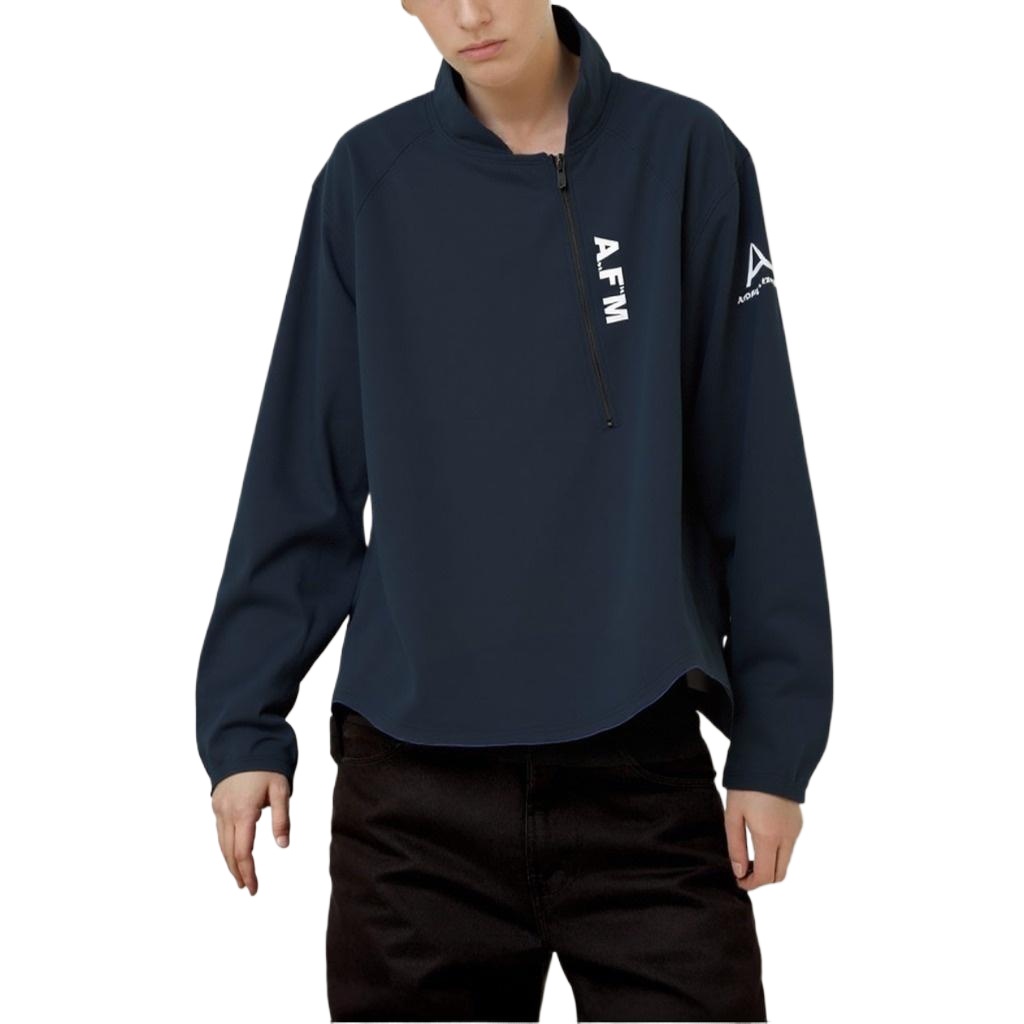
Fabric selection dictates how a garment performs during travel. We must move beyond traditional materials. We must map specific fabric compositions to everyday use cases. Different blends yield vastly different outcomes.
Merino wool blends offer incredible advantages. They provide natural odor resistance. You can wear them for multiple days without washing. They regulate temperature beautifully. You stay warm in cold airplane cabins. You stay cool in humid environments. They require a higher upfront investment. However, they deliver a high return on functionality.
Synthetic tech blends represent another vital category. These often combine polyester and elastane. They provide excellent shape retention. They offer quick-dry capabilities. They also deliver vital wrinkle resistance. These features prove critical for lightweight travel shirts. You can pack them tightly into cubes. They emerge looking crisp and ready to wear.
Implementation risks exist if you rely on 100% traditional cotton. Cotton absorbs moisture rapidly. It suffers from very slow drying times. It has a high wrinkle propensity. It often distorts in shape after tight packing. Cotton remains comfortable for lounging. It fails as a robust travel fabric.
We see a rising trend in activewear crossover. Brands now integrate subtle performance features into casual basics. High-quality men's long sleeve activewear often utilizes articulated sleeves. They employ gusseted underarms. These features improve your range of motion. They make transit much more comfortable. Modern designs hide these technical features seamlessly.
Fabric Performance Comparison Chart
Fabric Type | Drying Speed | Odor Resistance | Wrinkle Resistance | Best Use Case |
|---|---|---|---|---|
Merino Wool Blends | Moderate | Excellent | Good | Multi-day travel, fluctuating climates |
Synthetic Blends (Poly/Elastane) | Fast | Low to Moderate | Excellent | Active transit, hot weather, easy packing |
100% Traditional Cotton | Slow | Poor | Poor | Stationary wear, casual home use |
Predicting weather during travel proves difficult. Environments shift rapidly. You might walk through an overheated airport. Hours later, you sit in a freezing airplane cabin. You need a modular layering framework to survive these shifts.
A smart structural layering strategy keeps you comfortable. Start with a thin, moisture-wicking base. Add a structured mid-layer. Finish with a weather-resistant shell. You modularize the outfit for any unpredictable environment. You can peel layers off easily.
We must focus on outcomes here. Standardizing the fit of these core items matters deeply. You want a base layer that hugs the skin. You want a mid-layer with slightly more volume. This allows users to stack garments. They do this without restricting movement. They avoid appearing overly bulky.
From a sourcing context, batch consistency is vital. Layering requires consistent fit across multiple units. It requires exact colorfastness. Many retailers and uniform buyers understand this. They prefer to source layering shirts wholesale from single, reliable production runs. This strategy guarantees batch consistency. It ensures every shirt behaves predictably when layered.
We now transition to the B2B procurement side. Finding one great shirt is easy. Finding thousands requires deep expertise. How do you find garments meeting these strict criteria at scale? You must evaluate your partners thoroughly.
Vetting a long sleeve shirt manufacturer involves checking technical capabilities. Do they utilize flatlock stitching? Flatlock seams prevent chafing. They lay flat against the skin. What are their shrinkage tolerances? A good manufacturer controls shrinkage under 3%. They pre-shrink fabrics before cutting.
Compliance and trust drive long-term partnerships. You should look for Oeko-Tex® certifications. This ensures fabrics remain free from harmful chemicals. You should demand ethical labor audits. Transparent supply chain reporting protects your brand reputation. It shows consumers you care about human rights.
You must differentiate between suppliers. A trading company acts as a middleman. They source from various factories. A direct casual long sleeve shirts supplier owns the production line. Direct suppliers usually offer better quality control. They provide more competitive pricing on large volume orders.
Customization requires specific evaluation criteria. When sourcing custom long sleeve tops, ask about OEM and ODM capabilities. Check their Minimum Order Quantities (MOQs). Lower MOQs help you test new markets. Ask about sampling lead times. Fast sampling accelerates your product launch. Evaluate their private labeling capabilities carefully. They should seamlessly apply your neck tags and care labels.
Best Practice: Always request a factory video tour if you cannot visit in person. Observe their cutting and sewing floors directly.
Common Mistake: Choosing a supplier based solely on the lowest quote. You often pay for this through high defect rates.
Finalizing a purchase or supplier partnership requires a concrete framework. You need a logical process for shortlisting options. We created a straightforward decision-stage logic.
Step 1: Fabric Weight Analysis (GSM). GSM stands for Grams per Square Meter. Match the GSM to your target climate. Choose 150-180 GSM for travel base layers. This weight feels light and breathable. Choose 200-250 GSM for cooler weather mid-layers.
Step 2: Wash-and-Wear Testing. Always request physical samples. Put them through rigorous testing. Wash them at least three times. Test them for pilling along the friction points. Check for color fading. Inspect the neckline for collar warping. A warped collar ruins the entire aesthetic.
Step 3: Landed Cost vs. Lifecycle Value. Move away from strict unit-cost evaluation. Cheap shirts fail quickly. Factor in garment longevity. Factor in customer return rates. A slightly higher upfront cost often yields a better lifecycle value. Customers stay loyal to durable brands.
We recommend specific next-step actions. Do not jump immediately into a massive order. Order a comprehensive sample pack first. Alternatively, initiate a small pilot run. This lets you test the market. You can verify the manufacturer's consistency. You can commit to full wardrobe integration or bulk wholesale orders after successful testing.
Supplier Evaluation Matrix
Evaluation Metric | Minimum Acceptable Standard | Premium Standard |
|---|---|---|
Stitching Quality | Standard overlock seams | Flatlock stitching for anti-chafe |
Fabric Shrinkage | Under 5% after first wash | Under 2% (Pre-shrunk fabric) |
Sampling Lead Time | 14-21 Days | 7-10 Days |
Certifications | Basic business license | Oeko-Tex®, WRAP, BSCI |
A successful basic long-sleeve outfit relies on several interconnected factors. You must prioritize rigorous fabric selection. Synthetics and merino blends outperform traditional cotton effortlessly. You need a modular approach to structural layering. This strategy keeps you adaptable in any climate. For bulk buyers, stringent supplier vetting remains non-negotiable. Quality control begins at the factory level.
We strongly emphasize taking a calculated approach to apparel. Paying a slight premium for engineered basics yields real benefits. Taking the time to audit a manufacturer protects your investment. You will see a measurable return in garment lifespan. You will experience higher travel efficiency. Ultimately, you will ensure long-term end-user satisfaction. Start by auditing your current wardrobe or supplier list today.
A: The ideal weight generally falls between 150 and 200 GSM (Grams per Square Meter). This specific range offers excellent four-season adaptability. It feels light enough for warm climates but provides adequate insulation when layered during colder trips.
A: You should combine smart packing techniques with proper fabric choices. Use the "ranger roll" method to pack shirts tightly. Choose synthetic blends or merino wool fabrics. These materials inherently resist creases much better than stiff cotton.
A: You must focus on three primary factors. Check their size grading consistency across different batches. Confirm their fabric shrinkage rates remain under three percent. Finally, ensure the supplier offers continuous stock availability for reordering.
A: Yes, they bridge this gap easily if chosen correctly. The shirts require a flat, matte finish. They must feature minimal to no visible branding. They also need a tailored fit rather than a loose, athletic cut.


