WELCOME TO VISIT OUR WEBSITE
English

Views: 0 Author: Site Editor Publish Time: 2026-09-23 Origin: Site


Consumers increasingly demand hybrid wardrobes seamlessly bridging professional, casual, and active environments. Modern shoppers refuse to compromise between style and functionality. They want versatile basics working hard across multiple settings. For retail buyers and boutique owners, stocking single-use garments creates unnecessary risk. It leads to slow inventory turnover, discounted dead stock, and compressed profit margins. Curating highly adaptable pieces solves this exact merchandising challenge. Specifically, the adaptable short-sleeve top allows brands to improve sell-through rates through strategic cross-merchandising. This guide explores effective visual styling strategies to maximize consumer appeal. You will also discover a proven decision framework for sourcing high-quality inventory from reliable vendors. We will cover how to evaluate wholesale suppliers to ensure product quality and scalable inventory for your retail business.
Versatility Drives Conversions: Structuring displays around a cohesive short sleeve top outfit proves the garment’s value to consumers, reducing purchase hesitation.
Material Dictates Function: Successful styling requires distinguishing between everyday textiles (cottons, crochets) and performance fabrics (blends, moisture-wicking).
Sourcing Rigor is Critical: Partnering with a vetted women's short sleeve top supplier requires evaluating minimum order quantities (MOQs), fabric compliance, and sample consistency.
Risk Mitigation: Scaling athleisure lines demands strict vendor auditing to prevent sizing discrepancies and supply chain bottlenecks.
The apparel industry continues to experience a massive consumer behavior shift. Shoppers now prioritize garments supporting a "gym-to-street" lifestyle. They expect their clothing to perform during a morning workout and look polished during an afternoon coffee meeting. Analyzing this demand reveals a tremendous opportunity for retailers. When you curate versatile collections, you align directly with how modern consumers actually live and dress.
Focusing on inventory efficiency changes your profitability trajectory. Stocking versatile tops reduces the need for isolated, single-use product categories. You no longer need to buy separate tops exclusively for yoga and different ones exclusively for casual outings. A singular, well-designed garment bridges these gaps. This approach drastically minimizes inventory risk. It prevents capital from getting tied up in hyper-specific seasonal trends.
Visual merchandising plays a crucial role in educating customers about this versatility. Shoppers often lack the imagination to see one garment in multiple contexts. Multi-styled mannequin displays or dynamic e-commerce lookbooks solve this problem. When you show the same top paired with workout leggings and then tailored trousers, you highlight its intrinsic value. This strategy naturally increases your average order value (AOV).
Tell a lifestyle story: Group mannequins to show a chronological day (morning workout to evening casual).
Use cross-merchandising techniques: Place activewear bottoms near casual denim to encourage multi-category purchases.
Optimize digital lookbooks: Include a "ways to wear" photo carousel on your product pages.
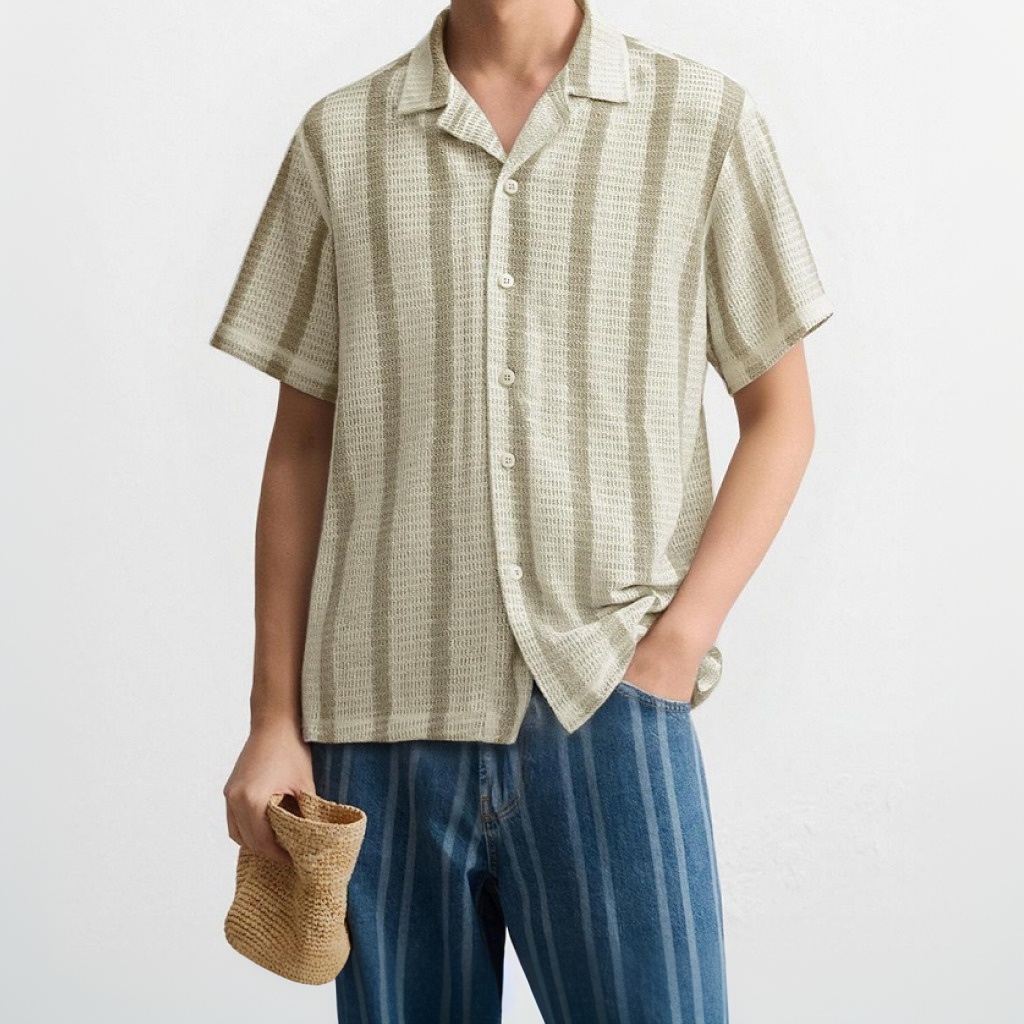
Building a compelling short sleeve top outfit starts with understanding silhouette and proportion frameworks. Visual balance is the key to making a basic top look high-end. When you style oversized casual short sleeve tops, you must anchor them with fitted pieces. Think skinny denim, tailored straight-leg trousers, or structured skirts. This prevents the outfit from looking sloppy and creates a deliberate, fashionable shape.
Tucking techniques are your secret weapon in visual displays. A simple garment transforms completely based on how it sits on the waistline. Use a French tuck (tucking only the front hem) to create an effortless, relaxed vibe while elongating the leg line. Alternatively, a full tuck paired with a statement belt offers a polished, office-ready aesthetic. Showcasing these subtle styling tweaks on mannequins gives customers immediate inspiration.
Texture drives consumer engagement, especially in spring and summer collections. Integrating crochet short sleeve tops into your lookbooks adds necessary tactile appeal. Crochet offers a breathable, artisanal feel. It contrasts beautifully against smooth fabrics like satin or structured canvas. Capitalizing on these texture trends keeps your casual assortments feeling fresh and seasonal.
Layering logic extends the lifespan of these garments across multiple seasons. You want to position the short-sleeve top as a year-round staple. Follow these steps to demonstrate effective layering:
Start with a neutral, fitted short-sleeve base layer to minimize bulk.
Add a structured mid-layer, such as a tailored linen blazer or a chunky knit cardigan.
Incorporate contrasting textures, pairing a smooth cotton top under a ribbed sweater.
Use the neckline to frame accessories, adding layered necklaces to draw the eye upward.
Athleisure styling relies heavily on the performance-to-casual bridge. This means pairing technical garments with everyday streetwear staples. You can successfully style moisture-wicking tops alongside cargo pants, relaxed joggers, or high-waisted compression leggings. This lifestyle marketing approach tells the consumer they are buying an aesthetic, not just workout gear. It blurs the line between gym attire and weekend wear.
Fabric-to-outcome alignment is crucial for justifying premium price points. You must actively educate consumers on material benefits within your product descriptions and store signage. Highlight technical features like four-way stretch, anti-odor technology, and advanced breathability. When shoppers understand the engineering behind the fabric, they perceive higher value. They become willing to pay more for a garment that promises superior comfort.
Color coordination elevates the perceived brand value of activewear. Utilizing monochromatic styling—pairing a top and bottom in identical or closely matched shades—creates a sleek, elongating effect. A monochromatic look feels intentional and luxurious. It moves the outfit away from traditional gym wear and pushes it firmly into high-fashion athleisure territory.
Fabric Type | Primary Benefit | Ideal Casual Styling | Ideal Activewear Styling |
|---|---|---|---|
Cotton-Modal Blend | Soft drape, high breathability | French tucked into rigid denim | Layered over a sports bra with joggers |
Nylon-Spandex | Four-way stretch, moisture-wicking | Paired with wide-leg cargo pants | Matched with high-waisted leggings |
Crochet / Pointelle | Tactile appeal, vintage aesthetic | Worn over a camisole with linen shorts | Not recommended for high-impact activity |
Partnering with a reliable women's short sleeve top supplier determines the success of your retail strategy. Core evaluation dimensions must prioritize fabric standards above all else. Before you commit to bulk ordering, assess colorfastness, shrinkage rates, and pilling resistance. A top that loses its shape after one wash will destroy your brand's reputation. Demand lab test results or conduct your own wash tests on initial samples.
Sizing consistency is another non-negotiable metric. You must request full-size runs from potential suppliers. This allows you to audit their graded tech packs accurately. A medium should scale proportionally from a small. If the armholes are too tight on a large but fit fine on a small, the grading is flawed. Catching these discrepancies early prevents massive customer return rates.
Evaluate a vendor's customization capabilities carefully. You must determine when to utilize basic white-label options versus investing in custom women's tops. White-labeling allows for faster speed-to-market. However, custom manufacturing lets you tailor specific brand fits, unique necklines, and exact Pantone colors. Choose custom routes when establishing a distinct brand identity is your primary goal.
Finally, demand compliance and transparency. Verify factory certifications like WRAP (Worldwide Responsible Accredited Production) or OEKO-TEX. These certifications guarantee ethical manufacturing practices and material safety. Modern consumers care deeply about sustainability. Partnering with certified factories protects your brand image and ensures your garments are free from harmful chemicals.
Implementation realities in the supply chain often disrupt retail planning. When purchasing activewear tops wholesale, you face immediate risks. You must constantly balance the lure of low unit costs against high MOQs (Minimum Order Quantities). Ordering 5,000 units might drop the price by two dollars per shirt, but it drastically increases the risk of dead stock. Always model your sell-through projections realistically before signing purchase orders.
Calculating realistic lead times prevents out-of-stock scenarios. You must account for multiple phases: initial prototyping, revision rounds, bulk production, ocean or air transit, and customs clearance. Delays at ports or during quality control are common. Build a four-week buffer into your sourcing calendar to ensure your spring collection actually arrives before spring begins.
Your shortlisting logic for B2B buyers must weigh domestic versus overseas sourcing. Overseas vendors typically offer lower per-unit production costs. However, you must factor in slower communication speeds, language barriers, and volatile freight costs. Domestic suppliers offer rapid replenishment and easier communication, though usually at a premium price. Many successful brands utilize a hybrid approach to balance speed and margin.
Sample auditing remains a non-negotiable step. Never approve bulk production based on a digital mockup or a single prototype. Establish a strict protocol for wear-testing and wash-testing wholesale samples. Have different body types try on the garments to evaluate stretch recovery and seam placement during movement. Only proceed to contract signing when the physical sample meets every quality benchmark.
Evaluation Criteria | Importance Weight | Minimum Acceptable Standard | Action if Failed |
|---|---|---|---|
Fabric Quality (Pilling/Shrinkage) | High | Under 3% shrinkage, Grade 4 colorfastness | Request fabric change or reject vendor |
Sizing & Tech Pack Accuracy | High | Measurements match within 0.5 inches | Require new prototype iteration |
Lead Time Reliability | Medium | Consistent delivery within +/- 5 days | Negotiate penalty clauses in contract |
Communication & Responsiveness | Medium | Replies within 24 hours | Proceed with caution; test small order |
Effective styling of short-sleeve tops is ultimately a powerful inventory optimization strategy. By bridging casual and activewear aesthetics, you maximize consumer appeal and drive higher conversion rates. Customers want clothing that adapts to their dynamic lives. Showing them exactly how to wear a versatile piece across different settings builds trust and encourages purchasing. It proves your brand understands their daily needs.
Move immediately from styling concepts to supply chain execution. Start by auditing your current inventory gaps. Identify where you lack crossover pieces that can transition from gym to street. Then, request targeted samples and full-size runs from your shortlisted suppliers. Apply rigorous wash and wear testing to every sample. Prioritizing quality and versatility today guarantees stronger margins and higher customer retention tomorrow.
A: Typical timelines require 30 to 45 days for bulk production. You must also factor in 15 to 30 days for ocean freight shipping and customs clearance. Always build an additional two-week buffer into your sourcing calendar. This planning protects your product launches against unexpected delays at ports or during raw material procurement.
A: Never skip physical sample auditing. Order a complete size run to check grading accuracy. Conduct rigorous wash tests to evaluate shrinkage and colorfastness. Have fit models wear the garments during physical activity to assess stretch recovery, seam durability, and moisture-wicking efficiency. Approve bulk production only after the physical samples pass these tests.
A: The best fabrics combine aesthetic drape with technical performance. Cotton-spandex blends offer everyday softness with essential stretch. Modal and bamboo viscose provide incredible breathability and an elegant drape suitable for casual wear, while inherently resisting odors. Nylon-spandex is ideal for higher-performance needs while maintaining a sleek, streetwear-ready finish.


