WELCOME TO VISIT OUR WEBSITE
English

Views: 0 Author: Site Editor Publish Time: 2026-08-03 Origin: Site


Buying swimwear online often feels like a frustrating gamble. High friction and frequent return rates plague shoppers searching for the perfect fit. Instead of viewing this process as a quest for a flawless body, treat it as an objective alignment task. We must match structural support, fabric behavior, and individual proportions to find true success.
Our goal here is straightforward and practical. We want to provide a metric-driven framework to evaluate styles effectively. You will learn how to measure your shape objectively and bypass vague sizing charts. You will discover which specific cuts enhance your comfort, coverage, and confidence. By understanding your unique dimensions, you can easily transform an annoying chore into an empowering purchasing experience. Let us dive into the mechanics of proper swimwear fitting.
Measure, don't guess: Use objective waist-to-hip-to-bust ratios to determine your baseline shape.
Mix and match is standard: Most individuals require different sizes or structural features for tops and bottoms.
Prioritize adjustability: Tie-sides, adjustable straps, and lace-up backs mitigate brand sizing inconsistencies.
Fabric dictates performance: High-elastane blends offer compression, while textured fabrics (like ribbing) provide visual volume and stretch tolerance.
Swimwear is not just basic casual clothing. It acts as highly technical apparel. It requires a precise, multidimensional fit across your bust, waist, and hips simultaneously. Most everyday garments drape loosely over your skeletal frame. Swimwear, however, must cling comfortably to the skin while providing reliable structural support. This unique requirement makes standard alphabetical sizing conventions highly unreliable. You cannot expect a generic medium to accommodate every possible body distribution.
Purchasing pre-matched sets often guarantees fit failure. Most human bodies lack perfect symmetrical proportions. You might require a medium top but a large bottom. When brands force you into a uniform size, one piece will inevitably dig, sag, or shift out of place. Treating tops and bottoms as independent technical garments remains the only way to ensure a secure fit. You must decouple your sizing expectations to accommodate your real-world proportions.
You also must establish clear success criteria based on intended use. A lounging suit has entirely different structural requirements than an active water-sports suit. If you plan to lay by the pool, you might prioritize minimal tan lines. A delicate string top works perfectly well here. However, wave-impact security demands robust construction. Active needs require thicker straps, stronger elastic bands, and higher UV resistance. Assessing how you will actually use the garment prevents wardrobe malfunctions during physical activity.
Industry-standard body shape labels often feel confusing and highly subjective. We need to move away from emotional descriptors and rely entirely on objective tape-measure metrics. Grab a soft, flexible measuring tape. You will need to record your shoulders, bust, waist, and hips in inches or centimeters. These pure numbers dictate how structural support should balance across your frame. Stand in front of a mirror to ensure the tape remains perfectly parallel to the floor.
Here is how you evaluate your baseline ratios objectively:
Measure your shoulders and bust against your hips. This specific ratio determines your visual balance. If your hips measure significantly wider than your shoulders, you lean toward a Pear shape. If your shoulders or bust measure wider than your hips, you fall into the Inverted Triangle category.
Compare your waist against your hips and bust. This ratio identifies your core definition. A waist measurement notably smaller than both your bust and hips indicates an Hourglass shape. If your waist measures relatively equal to your hips and bust, you have an Athletic or Rectangular build. A broader midsection points toward an Apple shape.
Let us be completely transparent about a core assumption here. Body shapes serve purely as structural guidelines, not rigid fashion rules. They simply help you understand where a garment needs more tension or fabric. Your ultimate goal remains balancing these proportions based entirely on your personal comfort preferences. You alone decide what features to highlight and what areas require more structural support.
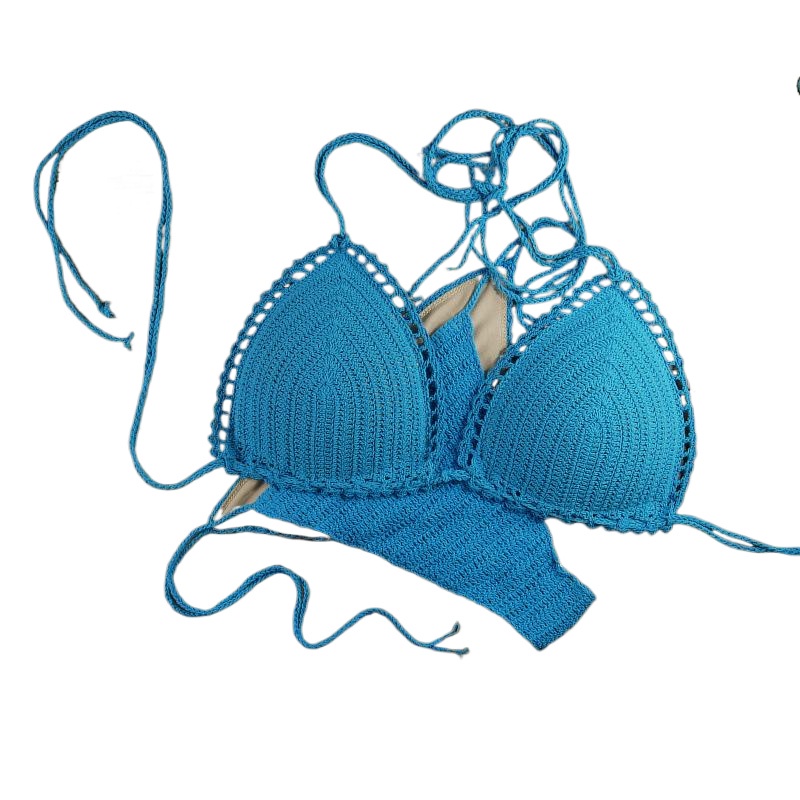
Selecting a supportive top requires matching specific design features to your structural needs. We can map different solution categories directly to their functional outcomes. Let us look at how different body builds benefit from specific construction choices. Proper engineering ensures you do not spend your day readjusting slipping straps or pulling up sagging cups.
For athletic builds or smaller busts, minimal structure often yields the best results. Triangle tops, strapless bandeaus, and lightly padded bralettes work exceptionally well. These styles enhance your natural shape without introducing unnecessary structural overkill. They lay perfectly flat against the chest and eliminate awkward fabric gaping. You do not need heavy underwires if your bust does not require intense vertical lifting.
Busty or plus-size individuals require heavy-duty garment engineering. Look for underwire balconettes, wide under-bust bands, and hidden power-mesh panels. These features provide essential lift and separate the bust securely. The center gore of an underwire top should always lay flat against your sternum.
A common implementation risk involves traditional halter straps. Tying thin straps around your neck to support a heavy bust causes severe neck pain after prolonged wear. Instead, seek cross-back or racerback straps. These designs distribute the weight evenly across your stronger back muscles. This drastically reduces upper back strain and prevents the band from riding up in the back.
If you have broad shoulders, you can easily balance them using strategic necklines. Asymmetrical one-shoulder tops or deep V-neck plunging halters draw the eye vertically. This effectively breaks up the wide horizontal line of the chest.
Bikini Top Structural Features and Outcomes | ||
Body Characteristic | Recommended Structural Features | Functional Outcome |
|---|---|---|
Athletic / Smaller Bust | Triangle cups, bandeaus, bralettes | Enhances natural shape, eliminates fabric gaping |
Busty / Plus-Size | Underwire, thick bands, racerback straps | Provides lift, separation, and prevents severe neck pain |
Broad Shoulders | Asymmetrical straps, deep plunging V-necks | Creates vertical lines to balance chest width |
Notice that finding the right Bikini top hinges heavily on physics rather than pure aesthetics. True support must always come from the band around your ribs, not just from the shoulder straps.
Bottoms demand just as much technical scrutiny as tops. Hip alignment, leg cut, and coverage levels dramatically alter how a garment interacts with your body. We can map specific cuts to various lower-body proportions for optimal comfort. Small adjustments in seam placement or elastic tension change everything about how a suit fits.
Pear-Shaped and Wider Hips: High-cut legs, often called French cuts, work brilliantly here. They visually lengthen the leg line by sitting higher on the hip bone. Pair this high cut with adjustable tie-sides. Tie-sides prevent the fabric from digging tightly into softer hip tissue. This eliminates the dreaded "muffin top" effect entirely.
Apple and Core-Conscious Profiles: High-waisted bottoms offer excellent security and peace of mind. Look for styles featuring gentle side ruching or built-in compression lining. These features provide reassuring coverage and gently smooth the midsection without feeling overly restrictive.
Athletic and Narrow Hips: If you want to add visual volume to your lower half, choose hipster cuts or cheeky Brazilian styles. Ruffled edges, textured fabrics, and bold side-details create the illusion of curve and width across narrow hips.
Be aware of a major implementation risk with high-waisted designs. High-waisted bottoms will aggressively roll down if the garment's waist-to-hip ratio does not match your own. This usually happens when the top elastic band is too narrow or overly rigid. To prevent this frustrating issue, always look for wide, seamless waistbands. A wide band disperses tension evenly and anchors the fabric smoothly against your torso.
Scalability and long-term durability define a high-quality swimsuit. You must evaluate how the fabric and hardware will hold up over multiple seasons. Sun, salt, and chlorine exposure degrade cheap materials rapidly. Understanding fabric composition helps you choose a suit that survives repeated wear without losing its elasticity.
Fabric composition dictates performance entirely. Standard nylon and spandex blends feel very soft but remain highly prone to stretching out when wet. If you want better structural integrity, explore textured jacquards or ribbed fabrics. These woven textures offer much higher stretch tolerance and resist sagging beautifully. Furthermore, always prioritize double-lined options. A fully lined suit maintains its structural shape and guarantees opacity.
Hardware and closures also present distinct operational risks. Plastic clasps might feel lightweight, but they are notoriously prone to snapping under tension. Metal hooks provide superior strength, yet they carry their own downsides. Cheap metal tarnishes rapidly in saltwater and can heat up uncomfortably in direct sunlight. Self-tie closures offer the highest possible level of adjustability. However, they require tight, secure knotting to prevent accidental untying in rough ocean water.
We must insert a reality check regarding fabric marketing here. Avoid believing claims that any fabric can "magically drop a dress size." Swimwear cannot reconstruct your skeletal anatomy or eliminate your natural shape. Instead, focus entirely on finding comfortable, supportive compression. Look for lining thickness that smooths your silhouette and prevents any embarrassing translucency when the garment gets wet. Light colors, like white or pastel yellow, absolutely require triple lining to remain safe when soaked.
You now possess the technical knowledge to evaluate styles accurately. The final hurdle lies in the actual purchasing and testing phase. Adopt a strict shortlisting logic to filter out unsuitable garments before you even hit the checkout button. Taking a methodical approach saves you time and prevents frustrating return cycles.
Always buy separates. You must prioritize retailers that allow you to mix top and bottom sizes freely. Do not settle for restrictive fixed-size sets. When you find a Bikini you genuinely like, immediately check the brand's specific size chart against your fresh tape measurements. Never rely on your standard denim or lingerie size. Sizing blocks vary wildly between different swimwear manufacturers. A large in one brand might fit like a small in another.
Before finalizing any order, review the store's return policies and hygiene seal rules carefully. Initial fit tests in the privacy of your home are completely mandatory. You must ensure the retailer accepts returns on opened swimwear, provided the protective hygiene strips remain fully intact.
Once your new suit arrives, you must perform the "Sit and Stretch" test. Do not just stand perfectly still in front of a bedroom mirror.
Sit down heavily on a hard chair to check waistline rolling.
Bend over to touch your toes to verify rear coverage and bust spillage.
Reach your arms high above your head to test band stability.
Twist your torso aggressively from side to side.
You need to ensure the suit remains perfectly secure under realistic human movement. If the straps slip, the under-bust band rides up, or the bottom edges dig painfully into your skin, return the item immediately. Do not keep a suit hoping it will stretch or shrink perfectly later.
The "right" swimwear is ultimately a structural match for your specific measurements. It is never about conforming your body to a fleeting, uncomfortable fashion trend. Your shape acts as the blueprint; the garment is merely the temporary architecture built to support it. Embrace your unique metrics and use them to your advantage.
Always prioritize high-adjustability features and premium fabric quality over flashy designer brand names. A well-constructed, unbranded suit that fits your unique ratios perfectly will always outperform a poorly sized luxury label. Tie-sides, adjustable straps, and wide waistbands are your best friends in achieving a custom fit.
Take control of the buying process by relying on hard data rather than vague sizing letters. Before you open another browser tab to shop, grab your measuring tape. Record your current bust, waist, and hip dimensions right now. Armed with these exact numbers, you can confidently navigate any swimwear retailer and secure a piece that finally works for you.
A: Yes. Buying separates is the industry standard recommendation for achieving a tailored fit. Most human bodies are not perfectly symmetrical. Purchasing different sizes or entirely different structural styles for your top and bottom ensures each piece functions correctly without compromising your overall comfort.
A: Tie-side bottoms or seamless styles without a rigid elastic band are your absolute best options. These designs allow for custom tension control over the hip bone. They sit flush against the skin, lengthening the leg line while completely preventing the fabric from indenting soft tissue.
A: Elastane fibers naturally relax and expand when submerged in water. This causes the garment to loosen significantly. If your measurements place you directly between two sizes, we recommend sizing down slightly in standard nylon and spandex blends. A snug dry fit prevents awkward sagging once wet.
A: They are only supportive if they are double-lined or feature interior power-mesh panels. A single-layer high-waisted bottom offers visual coverage but zero structural compression. You must check the product description for specific compression lining if you want genuine, reliable midsection support.


