WELCOME TO VISIT OUR WEBSITE
English

Views: 0 Author: Site Editor Publish Time: 2026-07-30 Origin: Site


Retailers frequently mix up the terms "waffle shirt" and "thermal shirt" in store displays and online catalogs. Many shoppers assume these two garments are entirely identical. They are not strictly the same thing. Clarifying this fundamental distinction immediately matters for your daily comfort. "Waffle" refers to a specific fabric weaving technique. It describes a distinct honeycomb pattern visible on the fabric surface. Conversely, "thermal" describes a functional category of clothing. It covers any garment designed specifically for heat retention. Buying the wrong item can lead to serious discomfort outdoors. You might sweat excessively in heavy cotton or freeze in a sheer base layer. This article serves as a comprehensive buyer’s guide. We will explore fabric construction, material blends, and intended use-cases. You will learn how to properly evaluate these garments. We help you purchase the exact right base layer or standalone piece for your cold-weather needs.
All traditional waffle shirts offer thermal properties, but not all thermal shirts are made of waffle knit fabric (e.g., merino wool, microfleece, flat-knit synthetics).
Waffle knit traps body heat in its recessed honeycomb squares while remaining highly breathable.
The choice between a waffle shirt and a flat-knit performance thermal depends entirely on the use case: casual heritage styling vs. high-output active winter wear.
High-quality iterations of both shirt types rely on specific construction details like fabric weight (GSM) and flatlock stitching to ensure durability and comfort.
Understanding winter layers requires separating how a garment is made from what it does. Textile manufacturers use specific terminology to describe construction methods. Clothing brands use entirely different terms to market functional benefits. We must look at both aspects to make informed purchasing decisions.
The term "waffle" dictates a physical, geometric construction. A waffle shirt utilizes a recognizable honeycomb knit structure. This unique three-dimensional grid creates tiny recessed squares across the entire fabric surface. Physics drives this brilliant design. These small grid pockets trap warm air directly next to your skin. Simultaneously, the raised intersecting ridges keep the bulk of the material from resting completely flat against your body. This micro-layer of air acts as powerful insulation against freezing temperatures.
Menswear has utilized this fabric for over a century. Historically, outdoor laborers relied on this time-tested texture for survival in harsh conditions. It offered durability alongside incredible warmth. Today, it remains a heavily celebrated heritage texture in modern fashion. Brands often highlight the rugged, textured appearance as a primary selling point. The fabric visually communicates warmth and traditional craftsmanship.
In contrast, a thermal shirt represents a broad functional category. We define a thermal as any base layer designed specifically for insulation and temperature regulation. Thermals sit closest to the skin. They act as the foundational building block for cold-weather layering systems. Many excellent thermal materials do not feature a waffle knit at all.
Modern outdoor brands utilize highly advanced flat-knit fabrics. Merino wool stands out as a premium thermal material. It offers exceptional warmth without any grid texture. Synthetic moisture-wicking blends combining polyester and spandex also dominate the thermal market. Brushed microfleece provides another popular alternative for extreme cold. Therefore, a "waffle thermal" simply describes one specific subset of the broader thermal category. You can easily own a top-tier thermal base layer made of entirely smooth material.
Choosing the right shirt requires matching fabric properties to your specific activity level. Performance varies wildly depending on material composition and airflow dynamics. We evaluate these garments across three primary categories.
Cotton waffle knits dominate the casual market. They excel at providing comfortable everyday wear. These shirts handle moderate cold beautifully. They look great when styled casually. However, cotton carries a major functional caveat. It eagerly absorbs moisture and holds onto sweat. This characteristic makes pure cotton a terrible choice for active winter sports. If you sweat heavily during a winter hike, a cotton shirt stays wet and rapidly drains your body heat.
Performance thermals take a different approach. Manufacturers usually build them using Merino wool or advanced synthetics. These materials deliver a superior warmth-to-weight ratio. They actively wick moisture away from your skin toward outer layers. They also provide natural or engineered odor resistance. If you plan on skiing, snowboarding, or enduring extreme static cold, you need Merino or synthetic materials. They keep you dry and warm during intense physical exertion.
Fabric structure dictates how well a garment breathes. Waffle shirts allow for excellent passive airflow. The grid pattern creates channels for excess heat to escape when you stop moving. This dynamic breathability makes them incredibly versatile. You can transition from a freezing outdoor walk to a heavily heated indoor office without instantly overheating. The fabric adjusts well to changing environments.
Conversely, many tightly woven synthetic thermals focus purely on trapping heat. They prioritize maximum insulation over casual breathability. Some performance thermals can feel suffocating indoors. They trap heat so efficiently you may start sweating if you enter a warm room. You must consider your daily environment transitions when choosing between the two.
Visual texture plays a huge role in versatility. Waffle shirts carry a rugged, architectural look. The deep texture adds visual interest to simple outfits. You can easily wear a waffle henley or crewneck on its own. It functions perfectly well as a stylish standalone top paired with jeans or heavy chinos. It rarely looks like underwear.
Performance thermals often suffer aesthetically. They frequently resemble underwear or tight gym gear. Brands design them to sit invisibly under heavier layers. The shiny synthetic fabrics and skin-tight fits make them awkward to wear uncovered. They remain strictly functional pieces meant as hidden base layers.
Fabric Performance Comparison Matrix
Feature | Cotton Waffle Knit | Synthetic/Wool Performance Thermal |
|---|---|---|
Primary Use Case | Casual wear, lounging, mild outdoors | High-output activities, extreme cold |
Moisture Management | Poor (absorbs and retains sweat) | Excellent (wicks sweat outward) |
Visual Texture | High (distinct honeycomb pattern) | Low (smooth, flat, often shiny) |
Standalone Wearability | High (looks like casual streetwear) | Low (looks like activewear or underwear) |
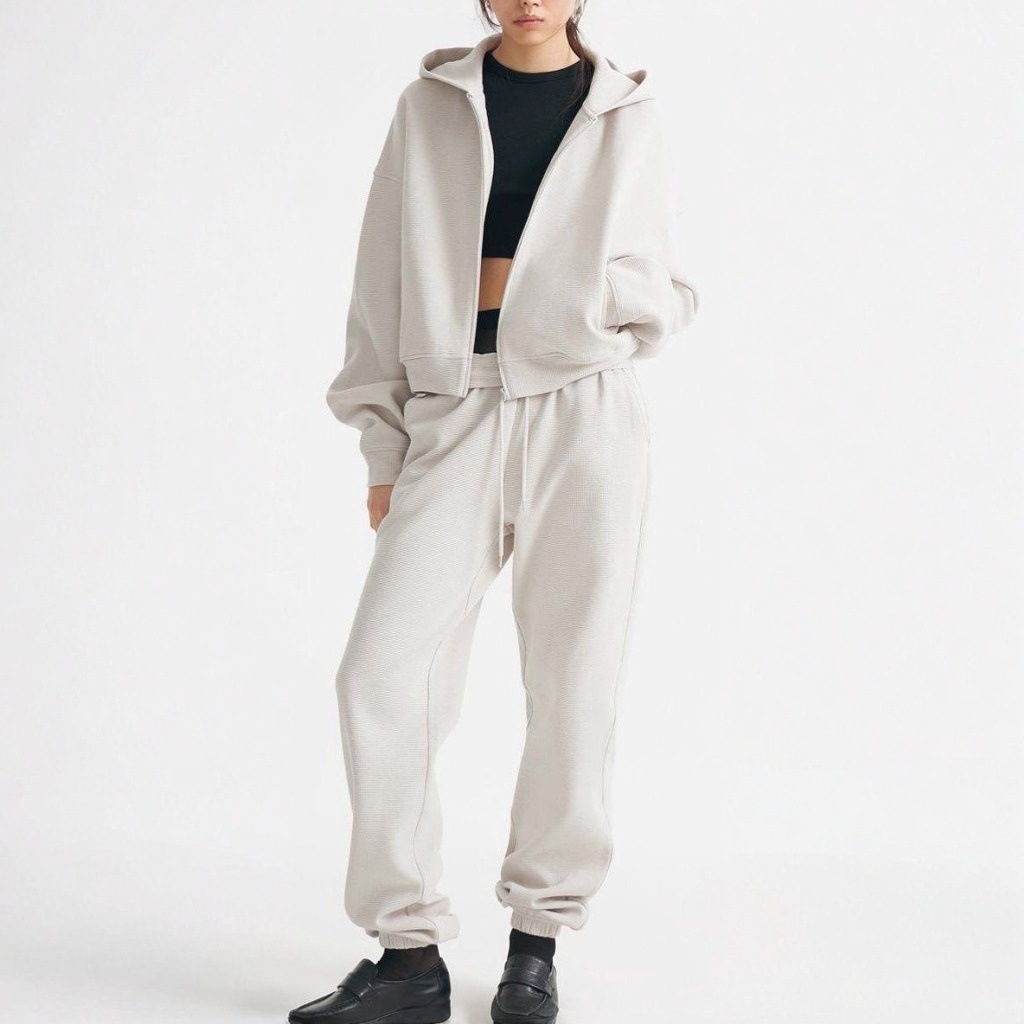
Not all cold-weather shirts deliver equal performance. Construction details separate disposable fast fashion from durable investment pieces. You must know what technical markers to look for before purchasing a thermal shirt or casual base layer. We recommend checking three specific quality indicators.
Fabric weight dictates both warmth and intended usage. Brands measure this using GSM (Grams per Square Meter). Higher numbers equal thicker, warmer fabrics. Always look for GSM specifications in product descriptions.
Lightweight (Under 150 GSM): These garments work best for mild layering. They fit easily under tailored shirts. They suit early autumn or brisk spring mornings.
Midweight (150 - 250 GSM): This represents the industry standard. Midweight options offer excellent versatility for daily winter wear. They balance warmth and bulk perfectly.
Heavyweight (250+ GSM): These robust garments act more like sweater alternatives. They provide immense insulation. You will typically wear these independently or under heavy workwear jackets.
Pay close attention to how the panels join together. High-end outdoor brands utilize flatlock seams. This sewing technique joins two pieces of fabric edge-to-edge without overlapping the material. It creates a completely flat interior profile. Traditional overlock seams create a bulky ridge inside the shirt. When worn tight against the skin under heavier layers, traditional seams cause severe chafing. Flatlock stitching prevents this friction entirely. It ensures maximum comfort during high-movement activities.
Cotton-based knits face a specific structural risk. The industry calls it "bagging out." Over hours of wear, inferior cotton loses its shape. The fabric stretches and fails to snap back. This leaves you with loose, droopy sleeves and a sagging neckline. Cold air easily travels up loose sleeves, defeating the insulation entirely. To prevent this, examine the cuffs and collar closely. High-quality garments use specialized ribbed cuffs heavily reinforced with elastane or spandex. These elastic materials maintain structural memory over time. They keep the garment securely anchored to your wrists and neck.
Proper sizing dictates how well the garment functions. Your intended use determines your ideal fit. You cannot buy a universal size and expect optimal performance across all scenarios. Sizing strategy requires matching the garment's purpose to your body proportions.
If buying a garment strictly for hidden insulation, it must fit snugly against the skin. Baggy base layers fail at their primary job. They leave too much dead air space between your body and the fabric. Your body must work harder to heat that excess air. A snug fit traps body heat efficiently. It also prevents awkward bunching when you pull heavy sweaters or jackets over it.
If buying a waffle knit as a casual top, evaluate a relaxed or classic fit. You want the fabric to drape naturally over your torso. Skin-tight tops look out of place in casual settings. A relaxed fit allows you to layer a simple t-shirt underneath. It provides mobility and comfort for everyday weekend wear. Always check the brand's sizing chart to understand their baseline silhouette.
Taller and larger individuals face unique fit challenges. Cold-weather garments must provide adequate coverage during movement. Note the importance of extended hemlines. If you bend over or reach up, a standard hemline might untuck. This exposes your lower back to freezing air. Look for brands offering dedicated "Tall" sizing. These shirts feature longer body panels and extended sleeves. They guarantee the shirt remains tucked securely into your trousers during heavy physical labor or outdoor sports.
Consumers often experience analysis paralysis when facing hundreds of options. We created this decision matrix to simplify your shopping experience. Identify your primary environment below to find the correct recommendation.
Scenario A: Casual Daily Wear & Mild Winter Days. You spend most of your time commuting, sitting in offices, or running weekend errands. You want something stylish enough to wear visibly. Recommendation: Choose a 100% Cotton or Cotton-blend Waffle Shirt. It provides adequate warmth, excellent breathability, and great visual texture.
Scenario B: High-Output Winter Activities (Skiing, Hiking, Running). You plan to sweat heavily in freezing temperatures. You need maximum performance and moisture management. Recommendation: Choose a Merino Wool or Synthetic Performance Thermal. Avoid cotton entirely. Look for flat-knit construction and flatlock seams to prevent chafing during movement.
Scenario C: Workwear & Extreme Cold Static Environments. You work construction outdoors, attend winter tailgates, or spend hours sitting in freezing temperatures without generating much body heat. Recommendation: Choose a Heavyweight Waffle Thermal Shirt. Look for a blend mixing cotton and polyester for added durability. Layer this robust piece directly under a flannel overshirt or a heavy canvas jacket.
The debate between these two winter staples is easily solved by understanding standard terminology. One term describes a physical texture. The other term describes a specific insulating job. Keep these three actionable steps in mind when updating your winter wardrobe:
Always check the internal fabric tag. Never buy a shirt based on appearance alone; the material composition dictates its real-world performance.
Assess your primary environment honestly. Active outdoor sports require synthetics or wool, while casual indoor environments favor breathable cotton.
Prioritize advanced construction markers. Seek out flatlock seams and elastane-reinforced cuffs to ensure your investment survives multiple winter seasons without losing its shape.
A: Yes. Due to its textured, rugged appearance, a mid-to-heavyweight waffle shirt functions incredibly well as a standalone piece. You can confidently wear it as a primary henley or crewneck. This distinct styling versatility sets it apart from sheer performance thermals, which usually look like underwear.
A: Yes, pure cotton knits are highly prone to shrinking. The grid structure tightens significantly if washed in hot water or thrown in a hot machine dryer. We strongly advise sizing up if you plan to machine dry them. Otherwise, wash them in cold water and lay them flat to dry.
A: Generally, no. Heavy fleece provides higher pure insulation by effectively blocking air transfer. Waffle knit is uniquely designed to trap heat while remaining highly breathable. Fleece will always feel warmer in static cold. However, the honeycomb knit provides better temperature regulation across varied indoor and outdoor environments.


