WELCOME TO VISIT OUR WEBSITE
English

Views: 0 Author: Site Editor Publish Time: 2026-07-27 Origin: Site


When you hear the name, your mind likely jumps straight to breakfast. We quickly picture butter melting over a grid of golden batter. However, this visual comparison pivots immediately to a highly technical reality in the textile industry. The name describes a specific, carefully engineered textile structure rather than just a cosmetic design choice. Consumers frequently confuse a waffle shirt with standard ribbed thermals or flat-knit henleys. This misunderstanding often leads to poor layering choices during cold months. Understanding why manufacturers name and construct it this way remains critical. You need this specific knowledge to evaluate its warmth, breathability, and durability for everyday layering. The unique three-dimensional grid pattern strictly dictates how the garment performs in varying climates. We will explore exactly how this honeycomb structure manages your body heat. You will also learn what features to look for when investing in high-quality cold-weather gear.
The Name’s Origin: Coined due to the recessed square grid pattern created by alternating warp and weft threads, visually mirroring a culinary waffle.
Performance Mechanism: The honeycomb-like depressions are engineered to trap pockets of ambient body heat while allowing moisture to escape.
Decision Criterion: Not all waffle weaves perform equally; buyers must evaluate fabric weight (GSM), fiber blend (cotton vs. synthetics), and pre-shrunk construction before purchasing.
The Main Caveat: Waffle knit structures are highly prone to post-wash shrinkage; sizing up or verifying pre-washed status is a required purchasing step.
Why do we call it this? The answer lies directly inside the industrial loom. Textile makers weave warp and weft yarns to intersect at highly specific intervals. They engineer a distinct, three-dimensional structural grid. This grid features raised woven edges and deeply recessed centers. It visually mimics a natural honeycomb. Naturally, it also looks exactly like your favorite breakfast food. We officially call this pattern the waffle weave. The visual texture gives the garment its iconic name.
Historically, this unique fabric started as a strictly utilitarian base layer. Militaries and outdoor laborers relied on it heavily during the early twentieth century. They needed durable clothing to survive freezing environmental temperatures. Over time, it transitioned gracefully from hidden long underwear into a standalone menswear staple. Today, you see these shirts everywhere. People wear them on casual weekend outings. Professionals wear them on rugged outdoor work sites.
Many people still use textile terms interchangeably. They mistakenly call any winter base layer a thermal. We need to debunk this common synonym immediately. All waffle shirts function effectively as thermals. However, not all thermals use a waffle weave. Some brands manufacture cheaper thermals using flat-ribbed construction. You must recognize the fundamental difference here. A true waffle knit offers highly unique mechanical properties. Flat-ribbed options simply stretch tight against your skin without capturing extra air. Understanding this crucial distinction helps you pick the right garment. You can finally build a truly functional winter wardrobe.
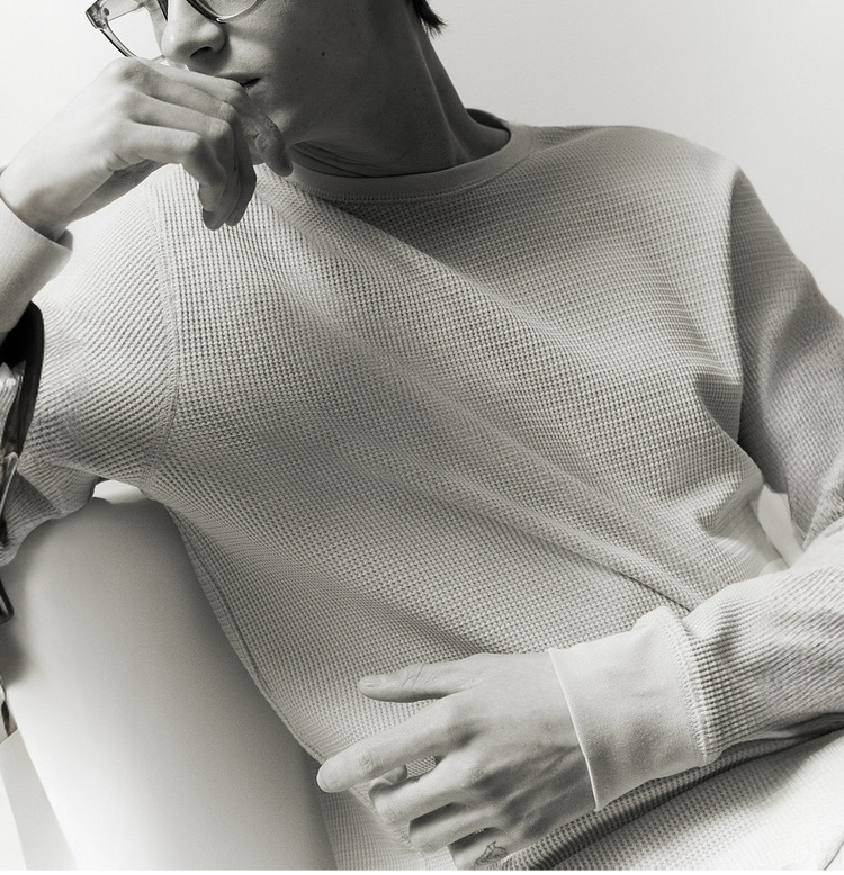
The naming convention directly reflects the fabric's precise engineering. Let us carefully examine the thermodynamics of this unique woven grid. The small, recessed squares act as tiny thermal air pockets. They trap warm air right next to your skin. This trapped air creates a powerful, invisible barrier against the cold. You stay incredibly warm without needing heavy, dense fabrics. It provides exceptional insulation relative to its overall weight. This efficiency makes it a favorite among outdoor enthusiasts.
Moisture management represents another major structural benefit. The physics of the raised ridges play a crucial role here. The fabric does not sit entirely flat against your skin. Small micro-gaps exist between your body and the recessed squares. This intelligent design maintains steady, cooling airflow. You can sweat heavily, and the moisture easily escapes. This high breathability makes the garment perfect for active, high-motion layering. It excels during intense hikes or strenuous physical labor.
We must also consider its built-in absorbency features. The 3D weave dramatically increases the fabric's total surface area. More surface area means significantly higher liquid absorption capabilities. You can see this exact same logic applied in waffle-weave bath towels. They dry you off remarkably fast. In a shirt, this enhanced absorbency aids in rapid sweat wicking. The material pulls moisture away from your body efficiently. You stay comfortably dry throughout the entire day.
Best Practice: Wear this grid structure as a mid-layer during high-output winter activities. It balances heat retention and rapid sweat evaporation perfectly.
Shoppers face a surprisingly tough choice when building a functional wardrobe. You must compare waffle knit, jersey cotton, and ribbed knits. Each textile serves a distinctly different physical purpose. Choosing the wrong fabric leads to severe discomfort. You might overheat indoors or freeze outdoors.
Let us first compare the waffle grid to standard jersey cotton. Jersey makes up your everyday casual t-shirts. It sits totally flat and breathes very well in summer. However, jersey offers zero trapped-air insulation. It cannot retain your natural body heat effectively. You will absolutely freeze if you rely on jersey alone during winter. It lacks the three-dimensional depth required for cold weather.
Next, evaluate standard ribbed knit thermals. Ribbed knits stretch horizontally to create a tight, skin-hugging fit. They work exceptionally well as strict, invisible base layers. They trap heat by clinging directly to your body. In contrast, waffle knits offer generous multi-directional flexibility. They drape more cleanly and relax comfortably around the torso. This relaxed, structured fit makes them highly suitable for standalone wear. You can wear them into a restaurant without looking like you wear underwear.
To select the right garment, follow these specific success criteria. Choose the waffle weave for mid-weight layering. It transitions seamlessly between heated indoor rooms and freezing outdoor environments. It pairs incredibly well with rugged jackets from an outdoor series collection. Choose ribbed knits strictly for skin-tight base-layering under heavy, restrictive outerwear.
Fabric Type | Thermal Retention Level | Fit and Structural Stretch | Ideal Wardrobe Use Case |
|---|---|---|---|
Waffle Knit | High (Traps air in grid) | Multi-directional, relaxed | Standalone wear, versatile mid-layering |
Jersey Cotton | Low (Flat surface profile) | Minimal stretch, casual drape | Summer wear, indoor casual lounging |
Ribbed Knit | Medium-High (Skin contact) | Horizontal stretch, very tight | Hidden base layer under heavy coats |
You cannot buy these textured shirts blindly. Manufacturing quality varies wildly across different retail brands. Use this structured approach to find the best possible option. We strongly recommend following a strict evaluation process before checking out.
Analyze the Material Composition
Always check the interior fabric tag first. A 100% cotton construction offers superior, natural breathability. It provides a classic, heavy heritage feel. However, pure cotton remains highly prone to stretching out of shape. Alternatively, consider modern cotton-poly blends. Synthetics add necessary structural integrity to the grid. They offer superior shape retention and overall durability. Blends also provide much faster drying times for active use.
Evaluate the Fabric Weight (GSM)
Grams per square meter (GSM) dictates the garment's true warmth. Lightweight versions usually fall below 200 GSM. They remain ideal for cool summer evenings or highly active winter sports. Heavyweight versions exceed 300 GSM. These thicker garments function almost like a woven sweater alternative. They serve perfectly as rugged, standalone winter workwear.
Scrutinize the Construction Details
Small tailoring details make a massive difference in daily comfort. Look specifically for reinforced, elastic banded cuffs. These tight cuffs securely lock in heat around your wrists. They also prevent annoying sleeve bagging over time. Additionally, closely inspect the garment seams. Premium shirts utilize specialized flatlock seams. This flat sewing technique completely prevents skin chafing under heavier jackets.
Common Mistake: Ignoring the specific GSM rating is a very costly error. Buying a thin 150 GSM shirt for sub-zero static work will leave you freezing. The weave pattern cannot compensate for a severe lack of fabric weight.
Every textile garment carries specific physical vulnerabilities. We must transparently address the main structural flaw of the waffle weave. The beautiful 3D grid naturally wants to contract inward. When you expose it to high heat and water, the yarns pull tightly together. This physical reaction causes significant, sometimes irreversible shrinkage.
You need a highly reliable sizing strategy before purchasing. First, read the online product description carefully. Does the brand specifically advertise "garment-washed" or "pre-shrunk"? If yes, you can safely buy your normal true size. If the shirt uses raw, unwashed cotton, you face a very different scenario. You must absolutely size up. The garment will easily lose a full size after its first wash.
Proper lifecycle maintenance significantly extends the shirt's usable lifespan. We strongly recommend washing these textured garments strictly in cold water. Hot water immediately activates the natural shrinking process of the intersecting cotton yarns. After washing, reshape the shirt gently while it remains damp. You should lay it flat on a towel to dry.
Never use a high-heat machine dryer under any circumstances. Aggressive tumble drying completely destroys the woven grid architecture. We call this disastrous result the "accordion effect." The shirt loses both length and width simultaneously. It becomes aggressively short, hilariously boxy, and completely unwearable. Treat the fabric gently to preserve its internal thermal air pockets.
Wash exclusively in cold water to preserve the three-dimensional grid structure.
Lay flat to air dry; avoid wire hangers to prevent permanent shoulder dimples.
Skip the machine dryer completely to avoid the dreaded accordion effect.
Store the shirt folded in a drawer rather than hanging it in a closet.
The waffle shirt gets its iconic name for a very practical reason. The name serves as a direct, literal map to its functional, heat-trapping architecture. The honeycomb pattern is never merely decorative. It provides a highly engineered, proven solution to freezing winter weather. It balances crucial body warmth and rapid breathability perfectly. This makes it an absolute necessity for cold-climate wardrobes.
Evaluating the material blend remains absolutely critical. You must also confirm pre-shrunk construction before spending your hard-earned money. These specific manufacturing details separate premium garments from cheap, disposable fast fashion. A well-made version will retain its rigid shape for many years. It will effectively keep you warm without ever causing uncomfortable overheating.
Take the necessary time to intelligently upgrade your cold-weather wardrobe. Browse curated collections categorized carefully by fabric weight and intended season. Look for lightweight, breathable options for highly active days. Seek out heavyweight, dense models for surviving harsh winter climates. Choose your gear wisely, and you will stay incredibly comfortable year-round.
A: They overlap significantly, but they are not identical. All waffle knits used for warmth function perfectly as thermals. However, thermals can also utilize flat or ribbed knits. The term "thermal" describes the garment's general purpose of retaining heat. The term "waffle" specifically describes the 3D grid weaving technique. You must check the actual fabric texture to know the difference.
A: It depends entirely on your specific daily use case. If you need a base layer under flannels or heavy jackets, buy a snug fit. The tight contact maximizes heat retention. If you plan to wear it alone, choose a relaxed or tailored fit. The structured, heavy drape looks excellent as a standalone casual piece.
A: Yes, they absolutely do. The contracting nature of the grid weave makes them highly prone to shrinking. The intersecting yarns tighten up aggressively when exposed to water and heat. You can mitigate this by cold washing and air drying. Always check for pre-shrunk labels before buying to avoid sizing surprises.
A: Yes, you can wear specific variants in summer weather. You must look for lightweight, open-weave cotton options. These low-GSM versions maximize cooling airflow rather than trapping heat. The raised ridges keep the fabric off your sweaty skin. This creates a highly breathable, moisture-wicking garment perfect for cool summer evenings.


