WELCOME TO VISIT OUR WEBSITE
English

Views: 0 Author: Site Editor Publish Time: 2026-07-31 Origin: Site


The fitness apparel market has reached an unprecedented level of saturation today. Brand differentiation no longer relies on just basic aesthetics. It heavily depends on superior fabric performance, flawless fit, and unwavering manufacturing consistency. Unfortunately, many brands encounter severe roadblocks during production. You might face high defect rates when scaling up your collections. Inconsistent sizing across different batches can destroy customer trust rapidly. Poor fabric stretch recovery is another common issue when partnering with unverified or inexperienced suppliers. We designed this comprehensive guide to help you navigate these specific challenges. It provides apparel buyers, brand owners, and procurement teams an objective evaluation framework. You will learn exactly how to assess technical capabilities and strict quality control standards. Ultimately, you will discover how to confidently shortlist a qualified OEM partner for your upcoming seamless activewear lines.
Evaluating a seamless apparel partner requires looking beyond unit price to assess knitting machine technology (e.g., Santoni), yarn sourcing, and dyeing capabilities.
A scalable OEM partner must demonstrate rigorous quality control, specifically regarding stretch recovery, opacity (squat-proof testing), and moisture management.
Understanding the timeline from tech pack submission to mass production mitigates launch delays and sample-revision cycles.
Verifiable compliance (e.g., Oeko-Tex, BSCI) is non-negotiable for modern activewear brands aiming for sustainable and ethical positioning.
Understanding the actual mechanics behind activewear production helps you make better sourcing decisions. Traditional cut-and-sew manufacturing requires stamping patterns out of flat fabric rolls. Workers then stitch these pieces together. This method inevitably creates material waste on the cutting room floor. It also leaves bulky seams inside the garment.
Circular knitting changes this paradigm entirely. Machines knit yarn directly into continuous, three-dimensional tubes. This process drastically reduces material waste. It also facilitates much faster mass-production times once technicians finalize the machine programming. For consumers, the elimination of side seams removes frustrating chafing points. This makes the garments ideal for high-friction workouts.
The performance outcomes of 3D knitting are truly remarkable for modern fitness sportswear. Programmers can engineer distinct compression zones directly into a single piece of fabric. They can seamlessly transition from high-compression waistbands to breathable micro-mesh panels behind the knees. You achieve enhanced structural durability because the garment lacks weak stitch points.
However, we must acknowledge realistic design limitations. Seamless production works beautifully for texture variations and gradient dyes. It struggles with intricate, multi-color graphic patterns. If your brand relies heavily on highly detailed, all-over floral prints, traditional sublimation printing remains superior. Knowing these constraints upfront keeps your design expectations grounded and objective.
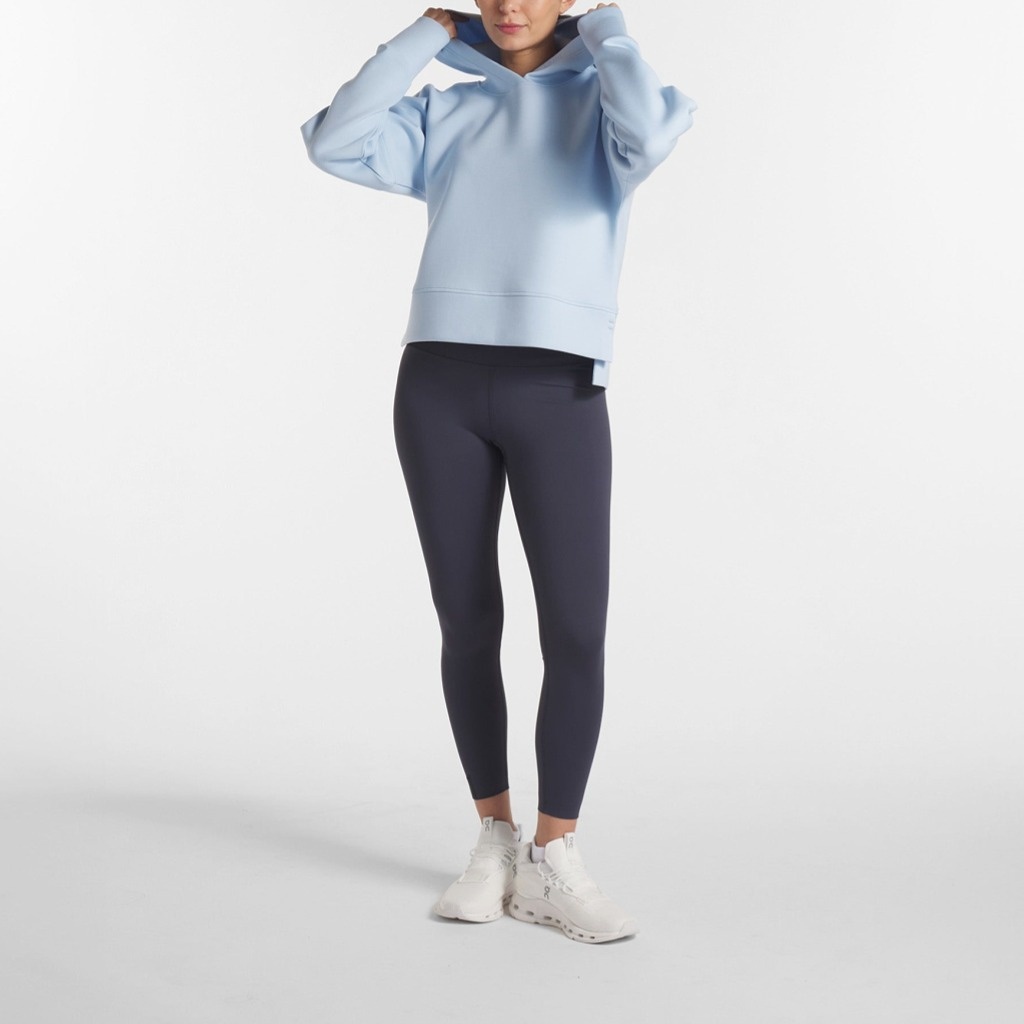
Not all factories possess the same technical infrastructure. Finding a truly reliable seamless workout set manufacturer requires digging into their specific machinery and engineering expertise. You cannot afford to skip this vetting process.
Modern circular knitting machines dictate the ultimate quality of your garments. Santoni currently dominates the seamless machinery market. Factories operating genuine, up-to-date Santoni machines generally produce far superior knits. Ask potential suppliers about their equipment inventory.
Machine gauge is equally critical. Gauge refers to the number of knitting needles per inch. A higher gauge, such as 28G, packs stitches tightly together. This creates a dense, highly compressive fabric ideal for high-impact leggings. A lower gauge, like 24G or 22G, produces a thicker, softer, and more relaxed fabric. Your factory must understand how gauge selection impacts the end user's experience of the seamless workout set.
Yarn forms the foundation of any athletic garment. Most seamless facilities utilize Nylon/Spandex or Polyester/Spandex blends. Nylon offers a buttery, premium hand-feel and excellent durability. Polyester is generally cheaper but holds onto odors more stubbornly.
If you want to produce a high-end moisture-wicking gym set, standard yarn is rarely enough. The manufacturer must apply specialized hydrophilic treatments during the finishing phase. Alternatively, they must source proprietary performance yarns engineered to pull sweat away from the body. Discuss these specific chemical treatments before signing any contracts.
Colorfastness is a massive hurdle in seamless production. The dyeing process for tubular knits differs from flat-fabric dyeing. Assess the manufacturer's ability to achieve strict pantone matching across different production batches. Poor dye houses will deliver leggings that look slightly different from their matching sports bras. Ensure they have stringent color-matching protocols in place.
Moving from a simple sketch to a physical product involves multiple structured phases. A professional supplier will guide you clearly through this workflow. Delays usually happen when brands misunderstand this timeline.
Phase 1: Tech Pack & Specification Review
A thorough manufacturer expects highly detailed instructions. Standard flat measurements are not enough for circular knits. Your tech pack must specify stretch tension requirements, exact yarn compositions, and specific knit structures (like ribbing or pointelle).
Phase 2: Prototyping & First Fit Samples
Translating a flat 2D tech pack into a 3D seamless tube requires complex programming. The first fit sample rarely comes out perfect. You should expect at least two revision cycles. It typically takes 15 to 20 days to dial in the initial machine code and produce the first physical prototype.
Phase 3: Size Grading & Wear Testing
Scaling a single prototype into a full size run is challenging. A two-piece activewear set must maintain consistent compression from XS up to XXL. Professional partners adjust the machine tension and cylinder sizes for larger garments. They do not just blindly add inches to the pattern.
Phase 4: Mass Production & Private Labeling
Once you approve the final size run, bulk knitting begins. During this final phase, the factory applies your custom branding. You can choose jacquard logos knitted directly into the fabric bands. Alternatively, you might prefer minimalist silicone heat transfers or traditional woven tags.
You can lose your entire customer base over one badly manufactured batch. Rigorous quality control testing protects your brand equity. Never assume a factory tests for performance metrics automatically.
We highly recommend establishing specific testing protocols for your womens training set line. Request physical evidence of these three critical tests:
Opacity (Squat-Proofing): Technicians stretch the fabric over a contrast board to ensure it remains completely opaque under heavy tension. Sheer leggings are the fastest way to generate product returns.
Stretch & Recovery: The garment undergoes extreme elongation testing. It must snap back to its original dimensions quickly. Poor recovery means leggings will sag at the knees after one hour of wear.
Pilling Resistance: The fabric faces abrasive friction testing. High-movement areas, like the inner thighs, must resist forming small lint balls over time.
Modern consumers care deeply about how their clothing is made. Ignoring compliance creates massive business risks. You should actively look for certifiable standards. Oeko-Tex Standard 100 guarantees the garments contain no harmful chemical residues. Certifications like BSCI or WRAP confirm the factory enforces ethical labor practices and safe working conditions.
In mass manufacturing, zero defects is a myth. The industry relies on Acceptable Quality Limit (AQL) standards. You must negotiate your AQL tier before production begins. Most premium brands demand an AQL 2.5 standard for major defects.
AQL Standard Comparison Chart
Defect Classification | Description | Common AQL Standard | Factory Action Required |
|---|---|---|---|
Critical Defect | Poses safety hazard to user (e.g., sharp needles left in garment). | AQL 0.0 | 100% rejection of batch. Immediate investigation. |
Major Defect | Hinders usability or causes visible aesthetic flaws (e.g., holes, severe dye stains). | AQL 2.5 | Rework or discard affected units. Possible discount applied. |
Minor Defect | Small flaws not affecting usability (e.g., slightly crooked interior label). | AQL 4.0 | Acceptable within agreed percentage limits. |
Many emerging brands struggle to understand factory minimums. They assume factories demand high volumes purely for profit. In reality, the technical nature of circular knitting drives these numbers.
Seamless MOQs rarely depend on machine knitting time. They depend almost entirely on yarn minimums and dyeing vat capacities. Yarn mills require massive minimum weights to spin custom blends. Similarly, dye houses use large industrial vats. You cannot economically heat and run a dye vat for only 50 pieces. Typical industry baselines sit between 500 and 1000 pieces per color and style. Some flexible suppliers might accommodate smaller pilot runs by utilizing stock yarn colors, though unit prices will increase significantly.
You must plan your product launches around realistic timelines. Optimistic scheduling leads to rushed, flawed products. A standard timeline looks like this:
Yarn Sourcing & Dyeing: 2 to 3 weeks.
Machine Programming & Setup: 1 week.
Bulk Knitting & Finishing: 3 to 4 weeks.
Quality Assurance & Packing: 1 week.
Expect a standard turnaround of 6 to 8 weeks after you approve the final pre-production sample.
To finalize your partner, use a strict shortlisting checklist. First, request blind samples of their previous work. Test these samples yourself in the gym. Second, evaluate their communication clarity during the quotation phase. Do they ask intelligent questions about your tech pack? Finally, audit their third-party certifications independently. Check certification numbers on official registry websites to ensure they are valid and current.
Choosing a seamless activewear manufacturer requires viewing the relationship as a long-term strategic partnership. It is never just a simple vendor transaction. Your brand's reputation rests directly in their hands.
You must carefully balance technical capability, rigorous quality assurance, and verifiable ethical compliance. Pay close attention to the machinery they use, their yarn sourcing protocols, and their willingness to accept strict AQL standards. Do not compromise on squat-proof testing or stretch recovery metrics.
Your immediate next step is clear. Finalize your detailed tech packs today. Reach out to three or four vetted suppliers and request a comprehensive capability deck. Ask them to send physical fabric swatches so you can feel their gauge expertise firsthand.
A: Cut-and-sew involves cutting flat fabric pieces and stitching them together, leaving interior seams. Seamless manufacturing uses circular knitting machines to weave yarn directly into continuous 3D tubes. This eliminates bulky side seams, provides targeted compression zones, and drastically reduces material waste during production.
A: MOQs for seamless apparel are higher due to raw material constraints. Custom yarn spinning requires minimum weight thresholds. Additionally, industrial dyeing vats have minimum water and chemical volume requirements. Running a dye vat for just a few garments is mechanically and economically unfeasible.
A: Yes. Advanced seamless machines can use jacquard knitting techniques to weave your logo directly into the fabric structure using contrasting yarn. This method prevents peeling. Alternatively, factories can apply silicone heat-pressed logos post-production for a sharper, more highly detailed finish.
A: Developing a custom seamless sample usually takes between 15 and 30 days. This timeframe accounts for sourcing the correct yarn, programming the complex circular knitting machines, and running initial fit tests. Subsequent revision cycles typically take an additional 7 to 10 days each.


