WELCOME TO VISIT OUR WEBSITE
English

Views: 0 Author: Site Editor Publish Time: 2025-12-20 Origin: Site


Shopping for a swimsuit can be both exciting and overwhelming. With the variety of styles, colors, cuts, and fabrics available, it’s easy to get lost in the sea of options. Whether you're getting ready for a tropical vacation, hitting the local pool, or just enjoying the sunny days at the beach, choosing the right swimsuit is essential to feeling confident, comfortable, and stylish.
In this article, we’ll walk you through key tips on what to look for when shopping for a swimsuit, focusing on three important factors: comfort, style, and functionality. By understanding your body type, personal preferences, and what suits your needs, you'll be able to find a swimsuit that checks all the boxes, so you can feel your best no matter where you go.
Comfort should be your top priority when shopping for a swimsuit. A swimsuit that fits poorly can cause discomfort, restrict movement, and make you feel self-conscious. Here’s what to consider for comfort:
The first step to comfort is ensuring that the swimsuit fits you properly. A swimsuit that’s too tight can dig into your skin, causing irritation or leaving unsightly marks, while one that’s too loose won’t provide the support or coverage you need. The right fit will help you move freely and confidently.
Bikini Tops: When trying on a bikini top, ensure the band fits snugly around your chest without digging into your skin. The straps should stay in place without slipping off your shoulders. For support, especially if you have a larger bust, choose a style with a built-in underwire or thick straps for additional lift.
Bikini Bottoms: Bikini bottoms should sit comfortably on your hips, not too tight around the waistband. Avoid bottoms that ride up or create bulges. High-waisted bottoms are great for providing more coverage and comfort, while low-rise bottoms are perfect if you prefer a more minimalistic look.
One-Piece Suits: A one-piece should offer full coverage but still allow you to move comfortably. Look for suits with adjustable straps or side ruching, which can provide a better fit. The key is ensuring that the suit hugs your body without feeling restrictive.
Swimsuit fabric plays a big role in both comfort and durability. Most swimsuits are made from a combination of nylon, spandex, or lycra, which offer a good stretch and retain their shape. Some swimsuits also incorporate polyester, which is known for its resistance to chlorine and sun exposure.
Soft, Stretchy Fabrics: Look for fabrics that feel soft against the skin and provide a good amount of stretch. Fabrics that are too stiff can create discomfort, especially around the waist or thighs.
Quick-Drying Materials: Choose materials that dry quickly after swimming, as staying in a wet swimsuit for long periods can cause chafing and discomfort.
Chlorine-Resistant Fabrics: If you plan to swim in chlorinated pools regularly, consider a swimsuit made with chlorine-resistant fabric. These suits maintain their color and elasticity longer than traditional fabric.
For many people, finding the right support in a swimsuit is crucial, especially for those with larger busts or a more active lifestyle. Look for swimsuits that offer good support without compromising on style or comfort.
Built-In Support: Swimsuits with built-in underwires, molded cups, or padding can provide extra support. This is particularly important for bikinis or one-piece swimsuits for those who need a little more lift or shaping.
Adjustable Straps: Swimsuits with adjustable straps allow you to customize the fit for your body. This feature can make a huge difference in terms of comfort, especially for those who struggle to find swimsuits with the right shoulder strap length.
A swimsuit should allow you to move freely. If you’re swimming, lounging, or playing beach sports, it’s important that the suit doesn’t restrict movement. When trying on a swimsuit, do a few stretches, bends, and even a few jumping jacks to ensure the suit moves with your body and doesn’t ride up, pinch, or cause discomfort.
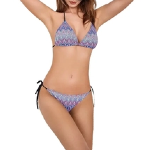
Swimsuits come in a wide variety of styles, so finding one that complements your personal taste and enhances your natural body shape is key. Here are some tips for choosing a style that suits you:
Understanding your body type is essential for picking a swimsuit that flatters your shape. While every body is unique, there are general guidelines based on body shapes that can help guide your swimsuit choice:
Hourglass Shape: If you have an hourglass figure with balanced bust and hips and a defined waist, opt for swimsuits that highlight your curves, such as high-waisted bottoms or one-pieces with a plunging neckline.
Pear Shape: If you have wider hips and thighs with a smaller bust, look for swimsuits with bold patterns or embellishments on top, such as ruffles or halter necklines. Avoid overly tight-fitting bottoms, and instead, choose styles that provide more coverage and balance out your proportions.
Apple Shape: For those with a fuller midsection, a swimsuit with a ruched or draped design around the waist can provide a flattering look. High-waisted bikini bottoms and one-pieces with a slimming effect around the tummy are great options.
Rectangle Shape: If you have a straight figure with few curves, look for swimsuits with ruffles, frills, or padding that add volume and shape to your bust or hips. Color-blocked styles and asymmetrical cuts can also create the illusion of curves.
The color and pattern of a swimsuit can greatly impact its overall look and how it flatters your body. Here are some general tips:
Dark Colors: Dark colors such as black, navy, and deep green can have a slimming effect, making them ideal for those who want to tone down certain areas or achieve a streamlined look.
Bright Colors and Prints: Bold, bright colors and fun prints can draw attention to your best features and add personality to your swimwear. Floral patterns, stripes, and tropical prints are great for creating a lively, playful look.
Monochrome vs. Mixed Colors: Monochrome swimsuits (single color) are timeless and elegant, while mixed colors or color-blocked designs can create visual interest and add dimension to your figure.
There are many different styles of swimsuits, each with its unique flair. Some popular swimsuit styles include:
Bikinis: The classic two-piece swimsuit, available in various styles such as triangle tops, bandeau tops, and high-waisted bottoms. Ideal for tanning and showing off your curves.
One-Piece Swimsuits: One-piece swimsuits offer more coverage and are great for both swimming and lounging. They come in various styles, including halter neck, V-neck, and sporty cuts.
Tankinis: A great option for those who want more coverage but still prefer a two-piece look. Tankinis offer the freedom of a bikini while covering the stomach area.
Rash Guards: If you’re into water sports like surfing or snorkeling, rash guards are a stylish and functional option that provides sun protection while keeping you comfortable.
While comfort and style are essential, functionality is also crucial. The right swimsuit should meet your specific needs, whether you're swimming laps, playing beach volleyball, or simply lounging by the pool.
Consider your activity level when choosing a swimsuit. If you plan on doing vigorous swimming or water sports, you’ll need a swimsuit that offers plenty of support and stays in place.
Competitive Swimmers: If you’re training or swimming laps, look for a swimsuit designed for active wear. Speedo-style swimsuits or athletic one-pieces with supportive straps and a snug fit are perfect for performance and comfort.
Beach or Pool Lounging: If you’re mainly lounging by the pool or on the beach, you can opt for a more relaxed style with less concern for support, such as a bikini or tankini.
For those who spend a lot of time outdoors, consider swimsuits made from fabrics with built-in UPF (Ultraviolet Protection Factor). These fabrics help protect your skin from the harmful effects of UV rays, offering additional sun protection beyond sunscreen. Look for swimsuits that provide a higher UPF rating, especially if you plan to be in the sun for extended periods.
When selecting a swimsuit, pay attention to the durability of the fabric. If you plan on swimming in chlorine-heavy pools or saltwater, look for swimsuits made from chlorine-resistant fabrics, which are designed to withstand the harsh effects of chlorine without fading or losing elasticity.
Swimsuit shopping doesn’t have to be a stressful experience. By focusing on the three main factors—comfort, style, and functionality—you can confidently choose a swimsuit that makes you feel great and suits your needs. Understanding your body type, exploring different styles, and considering your lifestyle and activity level will help you make the best choice.
When in doubt, remember that the most important thing is to find a swimsuit that makes you feel confident and comfortable


