WELCOME TO VISIT OUR WEBSITE
English

Views: 0 Author: Site Editor Publish Time: 2026-07-30 Origin: Site


The global market constantly demands functional activewear. Today’s consumer expects high-end aesthetics paired seamlessly alongside daily utility. Brands now race to produce reliable womens sportswear bridging these exact needs. However, scaling production introduces major business challenges for growing labels. You must maintain core garment functionality during high-volume manufacturing. For example, hidden compartments must hold heavy smartphones securely. They must grip tennis balls tightly during intense movement. Outer fabrics should never sag or distort under load. We created this comprehensive guide to solve these specific production hurdles. It gives you a clear, vendor-neutral framework for activewear production. Use it to evaluate potential OEM partners effectively. You will learn how to assess technical factory capabilities thoroughly. We also cover how to navigate complex MOQs and enforce strict quality assurance standards across your entire supply chain.
Structural Integrity is Key: Producing a functional tennis skirt with pockets requires specialized pattern making and high-elastane fabrics to prevent liner sagging.
Manufacturing Capabilities: A qualified tennis skirt with pockets manufacturer must utilize flatlock stitching and 4-way stretch material for chafing prevention.
Production Realities: Understand standard MOQs, the critical nature of the sampling process (tech pack to prototype), and expected lead times.
Compliance & QA: Vendor shortlisting must include verification of colorfastness, stretch recovery testing, and ethical labor certifications.
Standard skirt manufacturing fails completely when applied to functional activewear. Industry experts call this the "pocket sag" problem. When athletes load compartments, standard woven fabrics drag downward. You need specialized compression inner-shorts to solve this structural issue permanently. These engineered liners anchor the garment securely to the body. They create a stable foundation for external storage.
Weight distribution dynamics demand precision engineering from your supplier. Designers must secure bulky items effortlessly. A properly constructed athletic skort handles heavy modern smartphones. It holds dense tennis balls securely during rapid lateral movements. Crucially, the outer shell drape must remain unaltered. Inner compression panels absorb the localized weight entirely. This isolation prevents the exterior fabric from pulling or bunching awkwardly across the hips.
Modern brands also demand crossover utility from their seasonal product lines. Consumers wear these versatile garments across diverse daily settings. Manufacturers must adjust core patterns accordingly. They transition complex designs from a court-specific piece into a breathable running skort. Consumers also use them for everyday athleisure in urban environments. This evolution requires balancing interior compression levels against exterior fabric flow. You must achieve a delicate equilibrium between athletic performance and casual comfort.
Finding the right partner means scrutinizing their technical foundations thoroughly. A premium tennis skirt with pockets manufacturer controls their fabric sourcing rigorously. Assess their direct access to high-performance synthetic blends. A standard industry benchmark relies on a 75% Nylon and 25% Spandex composition. This specific blend guarantees excellent moisture-wicking properties. It delivers superior stretch recovery after intense workouts.
Stitching machinery remains absolutely non-negotiable for activewear production. Factories must deploy specialized flatlock seam machines for the inner shorts. Flatlock seams lay entirely flat against human skin. They prevent severe chafing during high-friction athletic movements. Overlock seams simply cannot perform this function safely. You must verify factory equipment lists before signing production contracts.
Waistband construction defines the garment's overall comfort and reliability. You must evaluate the factory's techniques for roll-resistant bands. This proves critical when developing a supportive high-waisted golf skirt. Continuous elastic banding techniques keep waistbands firmly in place. Targeted power-mesh inserts offer another excellent structural solution. They provide rigidity without sacrificing breathability.
Finally, review the supplier's pattern digitization workflow. The factory must translate 2D tech packs flawlessly into production patterns. They need advanced software systems. These systems grade 3D prototypes accurately across every size profile. This digital precision minimizes physical waste. It accelerates the entire pre-production timeline significantly.
Fabric Composition | Primary Garment Application | Core Performance Benefit |
|---|---|---|
75% Nylon / 25% Spandex | Inner compression shorts | High stretch recovery and muscle support |
90% Polyester / 10% Elastane | Outer skirt shell | Lightweight drape and rapid moisture wicking |
Power-Mesh Panels | Waistband interior | Roll-resistance and core structural rigidity |
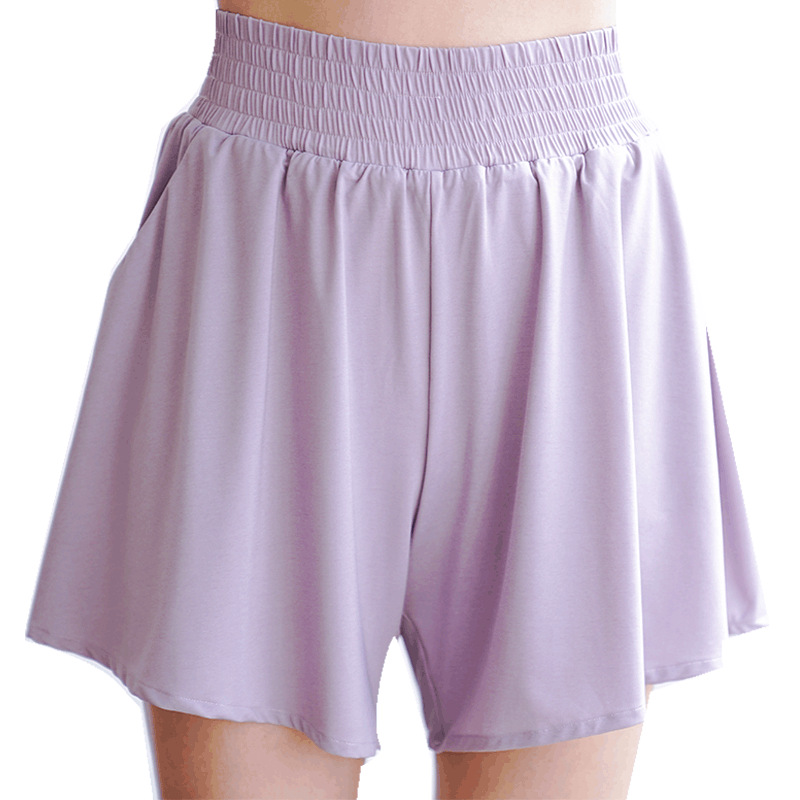
Brands differentiate themselves through highly unique design choices. OEM partners offer diverse silhouette variations to match consumer trends. You can specify pleated, A-line, or asymmetrical outer shapes. These exterior shells drape elegantly over standardized compression liners. Combining a creative outer design over a proven inner liner reduces production risk. It guarantees performance while allowing aesthetic freedom.
Pocket configurations also dictate widespread consumer appeal. Innovative factories provide numerous functional options for storage. Buyers often request inverted ball compartments for rapid on-court access. Dual-side phone pockets remain incredibly popular for everyday urban wear. Hidden zippered waistband compartments secure valuable items seamlessly. They protect keys and cards safely during long runs.
Branding detailing requires specialized technical application on activewear. Standard printing methods often fail on high-elastane materials quickly. The logo must stretch simultaneously alongside the fabric substrate. It must never crack, peel, or fade.
Consider these primary branding techniques for activewear lines:
Silicone heat transfer: Delivers a sleek, modern, raised finish stretching seamlessly with the fabric.
Stretch-additive screen printing: Utilizes specialized inks binding directly into elastic synthetic fibers.
Flat embroidery: Provides premium, durable brand placement on low-stretch areas like waistbands.
Custom dyeing demands extreme precision from your manufacturer. Top suppliers utilize strict Pantone matching processes. They provide physical lab dips for brand approval before initiating bulk dyeing. Managing color consistency poses a major industry challenge. The outer lightweight shell and inner compression short often absorb dye differently. Chemical experts formulate distinct dye recipes for each material type. This ensures perfect color harmony across the finished garment.
Production scaling involves inherent logistical risks for apparel brands. Understanding MOQ (Minimum Order Quantity) tiers prevents devastating early budget overruns. Typical minimums range between 100 and 500 pieces per color and style. Multi-size grading significantly affects these exact numbers. Factories require minimums to justify complex fabric cutting. They need sufficient volume to offset costly machine setup times.
The sampling protocol protects your upfront capital investment. You should follow a strict sequential process religiously. Never skip the vital fit-testing phase under any circumstances.
Follow these critical sampling steps closely:
Submit a highly comprehensive technical pack for engineering review.
Examine the initial first fit sample on a live fit model.
Request necessary pattern adjustments based on active movement tests.
Approve the final Pre-Production (PP) sample before bulk cutting begins.
Lead time realities often surprise new apparel buyers completely. Plan your product calendar around highly realistic timelines. Fabric sourcing usually takes two to three full weeks. Sample development requires another one to two weeks minimum. Bulk production consumes four to six intensive weeks. You must factor in peak seasonality for sportswear manufacturing accurately. Prepare spring collections during the third quarter of the previous year.
Supply chain bottlenecks disrupt product launches frequently. Custom hardware causes incredibly common production delays. Sourcing branded zippers adds weeks to timelines easily. Unique drawstrings also slow down final assembly. Top-tier manufacturers mitigate this by stockpiling standard premium components. They build buffer weeks into their production schedules proactively.
Substandard production ruins hard-earned brand reputations almost instantly. Rigorous performance testing requirements prevent defective batches entirely. Verify your factory conducts standard activewear tests diligently. They must evaluate stretch-and-recovery rates strictly using standardized machinery. Pilling resistance tests ensure long-term garment durability across multiple washes. Sweat and washing colorfastness checks stop cheap dyes from bleeding onto skin.
Inspection timing matters immensely for overall quality control. In-line inspections monitor quality actively during the sewing process. End-of-line inspections occur exclusively at final bagging stations. Enforce strict AQL (Acceptable Quality Limit) standards at both distinct stages. Industry leaders typically demand AQL 2.5 for major defects. Catching a crooked seam early saves entire production runs from ruin.
Factory certifications prove ethical manufacturing practices transparently. Shortlist vendors based strictly on recognized international industry standards. Look for WRAP or BSCI certifications guaranteeing fair labor practices. Prioritize Oeko-Tex Standard 100 certifications for chemical-free fabrics. Modern consumers demand this level of supply chain transparency.
Evaluating the first prototype requires immense attention to minute details. Use this checklist when buyers receive their first tennis skirt with pockets sample:
Check seam stretch limits by pulling flatlock joints firmly.
Test pocket retention dynamically during active, bouncing movement.
Verify fabric opacity thoroughly by stretching material over a dark surface.
Confirm the elastic waistband recovers its original shape instantly after stretching.
Choosing the right manufacturing partner dictates your activewear brand's long-term success. This critical choice relies heavily on specialized technical expertise. A factory's mastery of activewear compression liners matters just as much as their exterior design skills. Beautiful outer skirts fail instantly if the inner shorts sag during gameplay.
Your immediate next step involves precise technical preparation. Finalize a highly detailed tech pack immediately. Define your exact body measurements, fabric preferences, and specific hardware needs. Then, request a formal capability deck from your shortlisted vendors. Order a physical fit sample to test their engineering skills firsthand. Move forward into bulk production only when the prototype performs flawlessly under stress.
A: Standard Minimum Order Quantities typically range from 100 to 500 pieces per color and style. You can often lower these MOQs significantly by selecting in-stock fabrics directly from the factory's inventory. Custom-dyed fabrics require much higher minimums because dye houses enforce their own strict volume thresholds. Utilizing available materials helps emerging brands scale efficiently.
A: Yes. Many factories offer White Label or Private Label services. They let you modify existing templates by adding custom logos, altering pocket sizes, or changing waistband heights. This approach proves much faster and cheaper than full OEM custom manufacturing. Full OEM requires building entirely new patterns from scratch, which increases upfront costs.
A: Inner liners typically require a fabric weight between 220 and 250 GSM (Grams per Square Meter). This specific weight provides necessary mechanical compression. You must prioritize high spandex or elastane content, usually around 20 to 25 percent. This composition ensures heavy items like smartphones stay securely in place during vigorous movement.
A: Roll-resistant waistbands require specific construction techniques. Manufacturers often integrate targeted power-mesh inserts inside the band for added structural rigidity. Using a continuous elastic banding method also prevents the interior fabric from folding over itself. Proper 3D pattern grading ensures the band sits securely above the hips, maintaining tension without pinching.


