WELCOME TO VISIT OUR WEBSITE
English

Views: 0 Author: Site Editor Publish Time: 2026-09-28 Origin: Site


The retail and event sectors are currently witnessing a massive surge in demand for authentic 90s aesthetic apparel. Nostalgia continually drives modern fashion trends across diverse demographics globally. Consumers constantly seek credible 90s party outfit ideas to stand out at themed gatherings. However, retailers and event organizers frequently struggle to source high-quality, scalable garments balancing genuine retro styling and modern wearability. True vintage apparel remains incredibly difficult to scale reliably for large retail operations. Conversely, cheap costume alternatives often fall apart after just one use, damaging brand reputation.
This guide provides merchandisers, boutique owners, and commercial buyers a robust framework for curating profitable 90s-inspired collections. You will learn essential supplier evaluation techniques, inventory strategies, and fabric selection protocols. We detail exactly how to stock standout pieces delivering both undeniable style and long-term retail profit. By following these guidelines, you can build a highly desirable, historically accurate casualwear lineup.
Consumer Demand: Oversized silhouettes and bold prints dominate 90s party aesthetics, driving multi-item layering purchases.
Sourcing Focus: Partnering with a specialized retro shirts manufacturer ensures print authenticity and consistent sizing for oversized fits.
Supplier Evaluation: Vetting a vintage-inspired shirts supplier requires checking fabric stability, print-method durability, and MOQ flexibility.
High-Margin Items: Printed camp shirts wholesale and custom printed resort shirts offer the highest ROI due to their versatility beyond single-use events.
Nostalgia remains a powerful economic driver in fashion retail. Year-round demand for 90s themed events creates a highly lucrative sub-market for apparel brands. Consumers regularly attend retro birthdays, corporate retreats, and themed club nights. They require accessible, ready-to-wear fashion capturing the decade's essence. This consistent event schedule eliminates the seasonal dips often seen in standard apparel retail. People need these garments immediately, driving impulse purchases. Fast shipping and readily available stock become your strongest competitive advantages. Buyers want immediate solutions rather than spending weekends hunting through unpredictable thrift store racks.
Delivering authentic aesthetics separates premium retailers from novelty costume shops. Consumers scrutinize details closely. They expect accurate geometric patterns, neon accents, and subtle grunge elements reflecting the era accurately. Relying solely on actual vintage sourcing introduces massive inconsistency. Sizing varies wildly, fabrics degrade, and securing full size runs becomes impossible. To succeed, retailers must manufacture modern garments embodying vintage souls.
Your sourcing strategy should meet these specific success criteria:
Consistent availability of inclusive size ranges.
Historically accurate color palettes, including hyper-pigmented neons and muted grunge tones.
Durable construction surviving energetic party environments and repeated machine washing.
Modern, skin-friendly fabrics replacing the itchy synthetics often found in genuine vintage pieces.
Merchandising open button-downs over graphic tees represents a masterclass in retail strategy. This approach directly increases your average order value (AOV). Customers rarely buy just one piece when presented with a complete look. Showing an open, boldly patterned shirt layered over a contrasting vintage tee provides customers with foolproof 90s styling. It removes the guesswork from their shopping experience. They feel confident in their purchase. Furthermore, this multi-item strategy allows you to cross-sell essential basics alongside higher-margin statement pieces. You effectively become a one-stop styling destination rather than a mere clothing vendor.
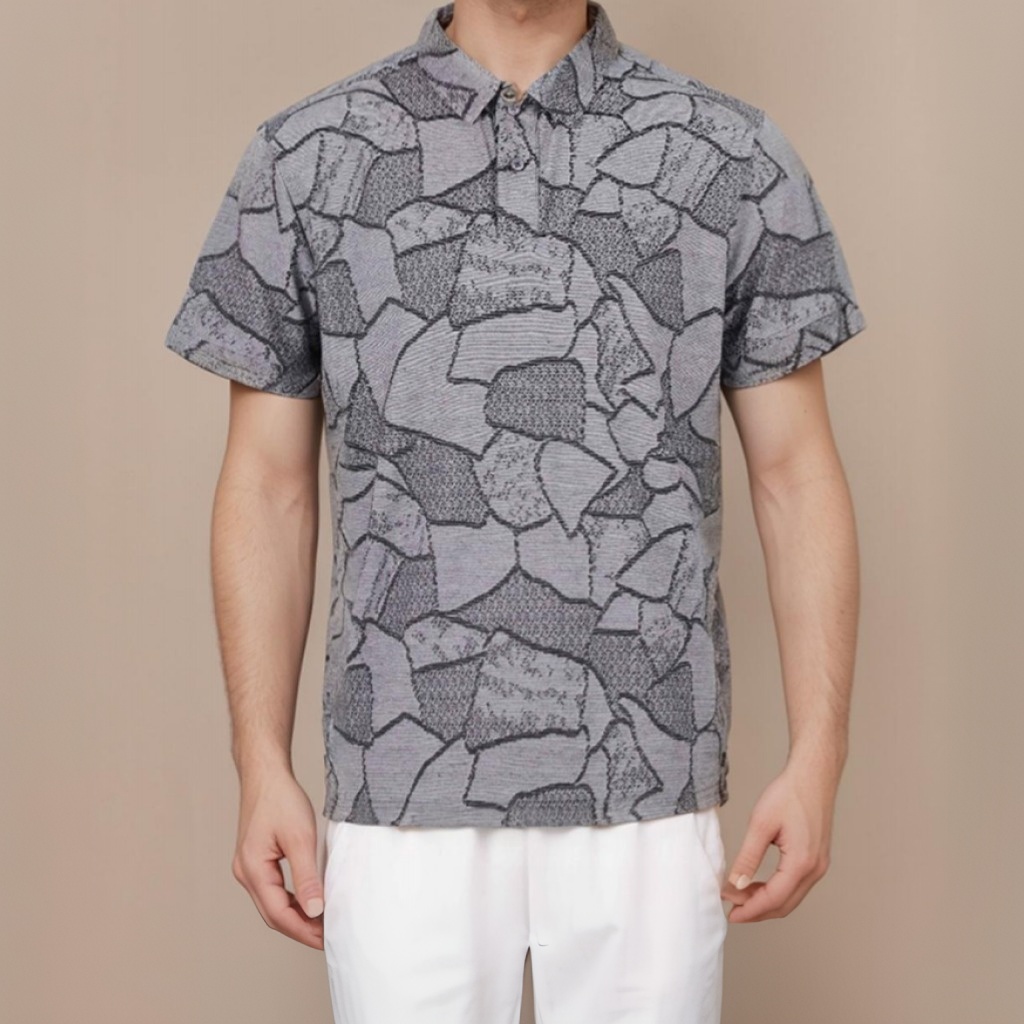
The defining silhouette of the 1990s relies heavily on volume. Standard modern fits simply look incorrect when styling a retro outfit. You must evaluate the structural requirements of a true 90s drop-shoulder fit. The shoulder seam should intentionally fall a few inches down the upper arm. The chest needs extra fabric allowance to drape correctly without pulling. Stocking authentic oversized button-up shirts requires rigorous attention to these pattern details.
Implementation reality dictates entirely new sizing charts. Simply telling customers to "size up" fails miserably. A modern shirt sized up two times usually results in an excessively long hem and abnormally long sleeves. Sizing charts must adjust for intentional bagginess across the chest and shoulders without compromising standard sleeve lengths or collar circumferences. Proper pattern grading ensures the garment looks purposefully oversized, rather than mistakenly ill-fitting.
The Cuban or camp collar stands out as the definitive 90s party silhouette. This flat-laying, open collar style exudes relaxed confidence. It frames the face beautifully and accommodates layered necklaces popular in retro styling. Unlike stiff point collars, the camp collar rests naturally against the collarbone.
Positioning premium custom printed resort shirts works exceptionally well for VIP event planners or high-end boutique buyers. These buyers gladly pay higher margins for exclusive prints and superior drape. You can offer limited-edition runs featuring bespoke local artwork or highly specific era-accurate motifs. Upgrading the buttons to real coconut shell or faux pearl elevates the perceived value instantly. This transforms a basic party top into a luxury retro experience.
Smart inventory management requires mitigating post-event season dead stock. You must frame these pieces beyond mere costume usage. Market them aggressively as versatile summer wear. A bold geometric camp shirt works perfectly for a 90s hip-hop night. However, it functions equally well for a July beach vacation, a summer music festival, or a weekend barbecue. By photographing the same garment in both a "party" context and a "casual summer" context, you broaden its appeal. This dual-marketing approach significantly reduces inventory risk. Customers justify the purchase price easier knowing they will wear the garment multiple times.
Material choice dictates the success or failure of any retro garment. You must assess breathable blends thoroughly. Crowded party environments generate significant heat. Garments must breathe to keep the wearer comfortable. Excellent choices include rayon, Tencel, and cotton-poly blends. Rayon offers an unmatched liquid drape, perfectly replicating vintage resort wear. Tencel provides similar drape but adds sustainable manufacturing benefits.
You must actively mitigate specific risk factors. High-drape garments like rayon naturally experience fabric shrinkage and severe wrinkling. Address this during the manufacturing stage. Require your factory to pre-wash all fabric rolls before cutting. This pre-shrinking step prevents customer complaints later. Additionally, blending a small percentage of polyester into cotton bases helps resist wrinkles while maintaining breathability.
Achieving historically accurate visual impact requires precise print execution. You must compare sublimation printing against traditional screen printing. Sublimation works brilliantly for seamless, all-over 90s geometric prints on synthetic or semi-synthetic blends. The ink bonds directly into the fabric fibers, ensuring zero fading and a completely soft hand-feel. Screen printing suits placement graphics or limited-color designs better, offering vibrant, thick ink deposits typical of early 90s streetwear.
Quality assurance remains critical when selecting production partners. When evaluating a retro shirts manufacturer, you must check for strict colorfastness. Inquire about their curing temperatures and ink sources. Inspect physical samples for print bleeding along sharp graphic edges. Crucially, examine the alignment across seams. Premium manufacturers ensure patterns match perfectly across the front button placket and the breast pocket. Misaligned patterns instantly cheapen the garment's appearance.
Table 1: Print Execution Comparison for Retro Patterns
Print Method | Best Used For | Fabric Compatibility | Durability & Hand-Feel |
|---|---|---|---|
Dye Sublimation | All-over geometric, seamless repeating retro patterns | Polyester, Poly-blends | Zero fading, completely soft integration into fabric fibers |
Screen Printing | Bold logos, limited-color neon graphics, localized chest prints | Cotton, Rayon, Blends | Highly vibrant, distinct raised texture on the fabric surface |
Digital Direct-to-Garment (DTG) | Highly detailed, multi-colored photographic 90s prints | 100% Cotton preferred | Medium durability, softer than screen print but sits on top of fibers |
Finding a trustworthy manufacturing partner requires stringent vetting. You must define clear criteria for a reliable vintage-inspired shirts supplier. First, assess their pattern grading experience specifically regarding retro cuts. As discussed earlier, dropping a shoulder seam requires adjusting the armhole depth proportionally. Standard factories might struggle with these non-traditional proportions. Ask to see their previous oversized production runs. Furthermore, verify their access to custom dying facilities. Authenticating a 90s look often requires specific pantone matching for muted grunge colors or hyper-bright neon shades. A competent retro casualwear supplier will handle custom lab dips efficiently before full production.
Scaling your business requires excellent wholesale economics. When assessing printed camp shirts wholesale programs, look for maximum transparency. Demand clear Minimum Order Quantities (MOQs) upfront. High MOQs tie up capital, while excessively low MOQs might indicate unstable factory setups. Seek tiered pricing structures rewarding volume growth. Clear lead times represent another non-negotiable metric. Late deliveries ruin seasonal event planning.
Supply chain transparency matters deeply to modern consumers. You must verify ethical manufacturing practices. Request compliance certifications regarding fair labor and safe working conditions. Trace material sourcing origins where possible. Brands communicating their ethical supply chain confidently command higher retail prices and build stronger customer loyalty.
Never proceed to bulk production without rigorous sample validation. Establish a mandatory checklist for reviewing all initial prototypes.
Stitching Density: Count the stitches per inch (SPI). Higher SPI indicates stronger, cleaner seams necessary for durable party wear.
Button Quality: Ensure buttons are securely attached with cross-stitching. Test buttonholes for proper sizing; they should neither gap nor require forcing.
Collar Interfacing: The camp collar requires specific lightweight interfacing. It must lay flat and hold its shape without feeling stiff or cardboard-like.
Wash-Test Results: Immediately machine wash and dry the sample according to your proposed care label. Measure it before and after to calculate shrinkage percentages. Check the wash water for any dye bleeding.
Profitable retailing requires balancing per-unit manufacturing costs with retail margin potential. You cannot simply choose the cheapest factory. Instead, analyze the cost-to-outcome ratio based on print complexity and fabric grade. A premium rayon shirt with perfectly aligned sublimation printing costs more to produce. However, it commands a significantly higher retail price compared to a poorly printed, stiff polyester alternative. Calculate your desired profit margins carefully. Sometimes, spending two extra dollars on premium coconut buttons allows you to raise the retail price by ten dollars. Allocate your production budget toward details customers notice and appreciate.
Minimize inventory risk by piloting your new collections. Implement strategies for testing a small run of premium items before committing to massive high-volume wholesale orders. Release a limited "capsule collection" featuring your three strongest 90s designs. Market this to your most loyal customer base first. Monitor their purchasing behavior closely. Which patterns sell out quickest? Do they prefer the neon aesthetic or the grunge aesthetic? Gather direct feedback regarding the oversized fit. Use this empirical data to confidently place larger, optimized bulk orders for the peak event seasons.
Moving from concept to physical inventory requires organized execution. Follow these specific steps to initiate your production process:
Request a Technical Pack (Tech Pack) Review: Send your detailed design files, sizing charts, and construction requirements to three shortlisted suppliers. Evaluate how thoroughly they review and question your specifications.
Order Fabric Swatches and Fit Samples: Request physical swatches of their rayon and cotton blends. Order "blank" fit samples in your core sizes to verify their pattern grading accuracy before adding complex prints.
Finalize Timelines: Map out production schedules backward from your target launch date. Account for upcoming seasonal demand peaks, national factory holidays, and potential customs delays.
Initiate Lab Dips: Approve specific dye colors on small fabric swatches to ensure the factory matches your exact retro color palette.
Sign Production Agreements: Lock in tiered pricing, quality control standards, and exact delivery windows in a formal purchasing contract.
Strategically sourcing 90s party apparel offers substantial business value for forward-thinking retailers. The decade's aesthetic continues dominating themed events, driving consistent, year-round consumer demand. By prioritizing authentic oversized silhouettes and premium breathable fabrics, you elevate your inventory above disposable costume wear. Partnering with the right manufacturing expert effectively bridges the gap between a fleeting trend and a highly profitable, high-quality casualwear staple. Rigorous supplier vetting, precise sample validation, and smart cross-merchandising ensure long-term retail success. Do not leave your event-season revenue to chance. Contact a qualified manufacturing supplier today to request a comprehensive wholesale catalog, order fabric swatches, and initiate your custom sample order.
A: Rayon and cotton-poplin blends are the optimal choices. Rayon provides the authentic, liquid drape essential for vintage resort wear and camp collars. Cotton-poplin offers a crisper structure for classic button-downs. Both provide the modern breathability required for crowded, energetic party environments.
A: You must utilize custom pattern grading. Simply sizing up modern fits results in overly long sleeves and disproportionate hemlines. Authentic retro sizing requires widening the chest allowance and dropping the shoulder seams intentionally, while keeping the collar and sleeve lengths proportionate to the wearer's true size.
A: Standard industry MOQs range from 100 to 300 pieces per style or colorway. However, design complexity heavily impacts this. Simple screen prints often allow lower MOQs, while custom-dyed fabrics or highly complex, seamless sublimation prints generally require higher volume commitments to offset setup costs.
A: Standard lead times generally span 30 to 60 days. This includes two to three weeks for initial sample creation and approval. Once you approve the physical sample, bulk production and quality control typically require an additional three to four weeks, followed by shipping transit times.


