WELCOME TO VISIT OUR WEBSITE
English

Views: 0 Author: Site Editor Publish Time: 2026-09-25 Origin: Site


Consumer expectations for activewear have evolved far beyond basic athleisure. Shoppers now demand garments blending aesthetic appeal and rigorous technical utility. Modern collections must balance striking designs against high-level performance needs. For brand owners and product managers, this shift creates unique operational challenges. It is no longer enough to merely forecast upcoming design preferences. You must secure a robust supply chain capable of executing complex fabrications at commercial scale. This article bridges the critical gap between emerging market demands and actual manufacturing realities. We provide a clear framework for evaluating new designs and mitigating severe production risks. You will also learn how to accurately shortlist capable manufacturing partners. By the end, you will have the tools needed to confidently transition from a raw concept to a market-ready collection.
The most viable performance activewear trends rely heavily on advanced fabric technologies and specialized machinery (e.g., seamless knitting).
Transitioning from design concept to market-ready collection requires vetting suppliers against strict compliance, scalability, and quality assurance metrics.
Partnering with an integrated OEM activewear manufacturer early in the tech-pack stage reduces sampling iterations and mitigates lead-time risks.
Prioritizing functional baselines—such as moisture-wicking and compression—ensures aesthetic trends do not compromise athletic utility.
Consumers expect more than just a stylish look. Purely aesthetic athleisure is steadily losing market share. Buyers now prefer hybrid garments offering verifiable athletic utility. This consumer shift dictates which designs actually survive the production phase. Tracking reliable performance activewear trends helps you prioritize essential functions over fleeting fads. We currently see three core movements dominating the modern sportswear landscape.
Shoppers highly value chafe-free, contoured fits during intense workouts. They want garments molding perfectly to their specific body shapes. Seamless garments provide targeted compression zones without uncomfortable inner seams. Achieving this requires specialized Santoni circular knitting machines. You cannot simply sew flat panels together to replicate this feel. Specialized programming maps different tension zones directly into a single tubular fabric piece.
Brands looking to scale often test the waters carefully first. They frequently source seamless workout sets wholesale to gauge actual market demand. Once proven, they confidently commit to custom OEM production runs. This staggered approach limits initial inventory risk.
Consumers expect excellent climate control across all retail price points. Sweating heavily in subpar synthetic gear remains completely unacceptable. Modern buyers demand breathability, thermal regulation, and odor resistance. Integrating authentic moisture-wicking workout clothes demands careful yarn evaluation during sourcing.
You must choose between topical chemical treatments and inherent wicking properties. Inherent performance utilizes modified yarn cross-sections to pull sweat away physically. This physical structure survives multiple harsh wash cycles brilliantly. Conversely, cheaper topical coatings tend to wash out quickly. Customers will notice when their expensive leggings lose functionality after ten washes.
Modern designs often feature hidden pockets and functional hardware. Modular layers allow easy transitions from the gym to daily errands. Consumers love multi-purpose garments justifying higher retail prices.
This utility heavily increases your overall tech-pack complexity. You need factories deeply skilled in multi-fabric paneling. Joining high-stretch fabrics to rigid mesh requires extreme precision. Reinforced stitching is also mandatory for heavy-wear areas like pocket corners. Auto-lock zippers and bonded eyelets require specialized equipment. Always verify your factory has experience handling these exact trim applications.
Bridging the gap between a sketch and a physical product requires careful planning. You must align your design dreams against actual factory capabilities. Ambitious sketches often fail spectacularly on the sewing floor. A realistic assessment prevents costly production delays down the line.
Mapping trendy design features to specific factory capabilities highlights potential roadblocks early. Use structured evaluations to validate your designs before initiating sampling.
Design Features to Factory Outcomes Matrix
Design Feature | Required Factory Capability | Common Production Risk |
|---|---|---|
High-Compression Zoned Leggings | Santoni Circular Knitting Machines | Inconsistent tension mapping across different sizes. |
Chafe-Free Flat Seams | Flatlock Stitching Machines (4-needle, 6-thread) | Thread breakage during high-stretch movements. |
Laser-Cut Ventilation Holes | Ultrasonic Cutting and Bonding Equipment | Fraying edges if fabric lacks sufficient synthetic content. |
Hidden Zipper Pockets | Precision Seam Taping and Bonding | Puckering around the zipper tape due to uneven tension. |
Finding certified recycled performance synthetics remains difficult globally. Materials like rPET and recycled nylon face constant supply bottlenecks. Demand for sustainable activewear currently outpaces the availability of high-quality recycled yarns. You must plan your raw material procurement months in advance. Delaying fabric sourcing will inevitably push back your entire product launch date.
Balancing premium fabric costs against target retail margins is crucial for survival. High-elastane blends cost significantly more than standard polyester. They also require specialized cutting techniques to avoid excessive fabric waste. Factory marker efficiency determines how much fabric ends up on the cutting room floor. You need to price your garments accordingly to protect profitability. Never sacrifice baseline quality just to hit a lower unit cost. Subpar fabric leads to higher return rates and damaged brand reputation.
Roughly 60% of production delays stem from ambiguous construction callouts. Factory errors are rarely the main culprit in early sampling failures. A vague tech pack forces pattern makers to guess your intentions. Missing Bill of Materials (BOM) data stalls the entire process. Your tech pack must clearly define stitch types, thread tensions, and precise seam allowances. Detailed Points of Measure (POM) prevent endless and expensive sampling loops. Clear visual instructions always yield better physical prototypes.
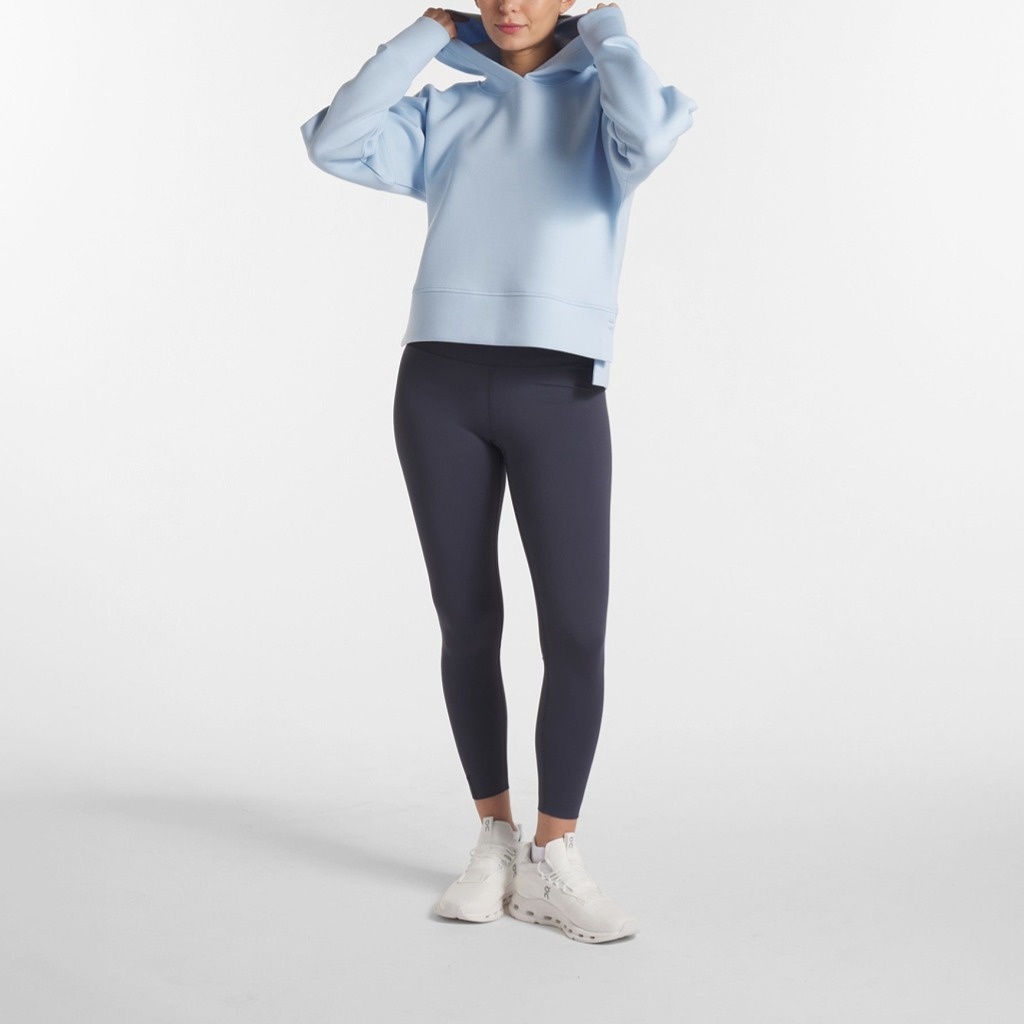
Choosing the right production partner dictates your collection's ultimate success. A brilliant design means nothing if the factory cannot execute it properly. You must evaluate potential partners systematically.
You must clearly distinguish between two very different business models early on. A standard women's sportswear supplier typically offers off-the-shelf or white-label goods. They provide fast market entry but severely limited customization options. You generally select pre-existing silhouettes and apply your logo.
Conversely, a true OEM activewear manufacturer handles custom development and full cut-and-sew operations. They bring your unique proprietary designs to life from scratch. This route requires higher upfront investment but offers total brand differentiation.
Audit potential partners across four critical performance pillars.
Technical Capability: Do they own the specialized machinery required for specific women's activewear trends? Flatlock stitching, ultrasonic welding, and seamless knitting require expensive, dedicated equipment. Subcontracting these steps introduces massive quality control risks.
Quality Assurance (QA) Protocols: Robust testing is absolutely non-negotiable. You should demand strict AQL (Acceptable Quality Limit) standards for every batch. Ask detailed questions about their fabric shrinkage testing. Request proof of their colorfastness validation procedures.
Scalability & MOQs: Review the factory's Minimum Order Quantities carefully. Do these specific numbers align safely with your internal inventory risk model? You also need assurance regarding their capacity to scale up during your peak buying seasons.
Ethical Compliance & Certifications: Modern consumers demand total supply chain transparency. Verifying factory certifications protects your long-term brand credibility. Always ask for updated WRAP, BSCI, or OEKO-TEX certificates. Ensure they strictly audit their own sub-tier suppliers as well.
Moving from a digital tech pack to bulk production exposes several logistical hazards. Proactive management mitigates these common industry pitfalls.
The proto-to-pre-production sampling timeline often derails entire launch schedules. Most emerging brands suffer through three or four painful sample rounds. Each round wastes valuable weeks and frustrates your design team.
You can successfully reduce this down to one or two rounds. Provide highly comprehensive tech packs and 3D digital renderings upfront. Schedule live video calls to review the first prototype directly with the pattern maker. Clear, immediate communication drastically cuts down physical iteration needs. Detail every required measurement adjustment explicitly in a standardized fit comment document.
Rapid trend cycles frequently clash against harsh raw material realities. Custom performance fabrics often require 60 to 90 days of lead time. Waiting for custom dye lots further extends this timeline.
You must decouple your fabric sourcing timeline from your cut-and-sew schedule. Pre-booking greige goods (unfinished, un-dyed fabrics) helps mitigate this massive disconnect. You can commit to a bulk fabric volume early, then finalize specific colors closer to the launch date. This strategy significantly shortens your final production window.
Grading failures pose a massive risk in high-stretch performance fabrics. A medium sample might fit perfectly while an extra-large warps awkwardly. Linear grading rules rarely apply successfully to four-way stretch materials. The tension changes drastically as the garment expands over curves.
Physical fit sessions on multiple body types remain absolutely non-negotiable. Even brilliant 3D sampling advancements cannot replicate dynamic human movement perfectly yet. You must observe how the fabric behaves under high tension during deep squats or stretches. Adjust the grading rules individually for each specific fabric type in your collection.
Finalizing your production strategy requires an organized supplier outreach approach. Haphazard emails rarely yield serious responses from top-tier factories.
Your Request for Quote (RFQ) must signal high operational maturity. Busy factories routinely ignore vague or incomplete inquiries. They prefer clients who understand the production process thoroughly. Include the following precise data points to stand out immediately:
Exact fabric compositions and required fabric weights (GSM).
Projected order volumes broken down by style, size, and color.
Required ex-factory delivery dates and preferred shipping incoterms.
Necessary compliance certifications and third-party testing requirements.
Target unit prices alongside realistic retail price points.
Do not immediately transition your entire product line to a new women's activewear manufacturer. This introduces catastrophic business risk if they fail to deliver. Massive quality issues on a core product can bankrupt a growing brand.
Minimize this risk by launching a small capsule collection first. This pilot run tests their communication skills, internal quality control, and timely delivery. It reveals how they handle unexpected production hiccups. Treat this pilot run as a paid audition for your long-term business.
Finalize your highly detailed tech packs immediately. Do not leave any construction details up to interpretation. Initiate a comprehensive capability audit with two or three shortlisted suppliers. Compare their pilot run proposals directly against your margin requirements and delivery timelines.
Capitalizing on activewear trends is only as successful as the manufacturing infrastructure supporting it. Great design ideas die quickly in poorly managed supply chains. Modern collections require a delicate balance of aesthetic vision and technical execution.
By prioritizing technical capabilities, transparent communication, and rigorous QA, brands can confidently scale their modern sportswear collections. Avoid choosing partners based purely on the lowest unit cost, as this frequently leads to compromised quality. Ensure you rigorously test your custom fabrics and validate your size runs early in the process.
Take decisive action today by refining your tech packs. Audit your supplier shortlist meticulously. Implementing this structured framework guarantees you protect both your product integrity and your retail margins.
A: Minimum Order Quantities vary heavily based on fabric type and garment complexity. Custom dyed fabrics generally require higher MOQs, often starting around 500 to 1,000 pieces per colorway. Using factory stock fabrics can lower this requirement to 100 or 300 pieces. Complex designs requiring ultrasonic welding also demand higher volume commitments.
A: You should always require independent third-party lab testing prior to bulk production. Institutions like SGS or Intertek provide standardized validation. They measure the exact wicking rate, breathability, and colorfastness. Relying solely on factory-provided certificates introduces unnecessary quality control risks.
A: Buying wholesale provides excellent speed-to-market and lower MOQs. It allows you to test trends quickly with minimal inventory risk. However, custom OEM manufacturing provides superior brand differentiation and stronger long-term margin control. Many brands start with white-label wholesale before transitioning to custom production.
A: Look for the Global Recycled Standard (GRS) to verify recycled material claims. The OEKO-TEX Standard 100 ensures fabrics remain free from harmful chemical substances. Additionally, bluesign® certification confirms the factory utilizes sustainable, eco-friendly manufacturing processes throughout their entire supply chain.


