WELCOME TO VISIT OUR WEBSITE
English

Views: 0 Author: Site Editor Publish Time: 2026-09-26 Origin: Site


Consumer demand has permanently shifted toward versatile, multi-purpose wardrobes. Brands and retailers face the constant challenge of bridging aesthetic appeal and functional durability. Identifying trending women's casual outfit ideas is only the first step. The real operational bottleneck lies in sourcing, scaling, and maintaining quality control. Collections must perform equally well on a long-haul flight as they do in everyday life. If clothes lose shape or wrinkle instantly, customers will return them.
This guide serves as the ultimate framework for apparel founders, retail buyers, and boutique owners. You will learn how to conceptualize your next travel-wear line effectively. We will also help you evaluate the right manufacturing partner. Understanding these elements ensures you bring your collection to market efficiently and profitably.
Consumer Shift: Modern collections must prioritize modularity; high-performing travel wear for women requires wrinkle-resistant, adaptable fabrics.
Strategic Sourcing: Partnering with a specialized women's casualwear manufacturer reduces prototype iteration time and mitigates supply chain risks.
Evaluation Criteria: Success hinges on vetting suppliers for fabric compliance, scalable Minimum Order Quantities (MOQs), and transparent ethical manufacturing standards.
Production Paths: Choosing between private label and custom casual apparel dictates your timeline, upfront investment, and long-term brand equity.
Retail conversions rely heavily on specific solution categories. Modern shoppers want garments doing double duty. They need outfits working seamlessly across multiple environments. We see three primary concepts driving current market success. Structuring your collection around these pillars proves your industry expertise.
You need scalable athleisure outfit ideas transitioning easily from transit to casual outings. Consumers reject stiff travel clothes. Focus heavily on moisture-wicking fabric blends. Structured leggings provide necessary support during long flights. They also look polished in a casual cafe setting. Nylon-spandex blends ensure the fabric stretches comfortably but recovers its original shape quickly. Incorporate hidden pockets for passports and hotel key cards. This adds high utility without ruining the sleek silhouette.
Producing versatile separates improves your overall unit economics. Shoppers buy multiple pieces when they coordinate effortlessly. You will see massive demand for relaxed fit women's tops. These must utilize breathable textiles. Modal, bamboo, and high-grade cotton blends perform beautifully. They resist pilling even after repeated washes. A capsule collection thrives on these foundational basics. Cardigans, draped tees, and lightweight tunics allow wearers to adjust seamlessly to changing climates.
Matching two-piece sets act as high-ticket conversion drivers. They offer an instant, cohesive look. Customers love skipping the complex styling process. Emphasize memory-stretch fabrics in this category. These materials retain their shape post-travel. When a customer unpacks a coordinate set, it must look pristine immediately. No one wants to iron in a cramped hotel room. Poly-crepe or premium knit blends work best here. They drape elegantly and pack down small in a carry-on.
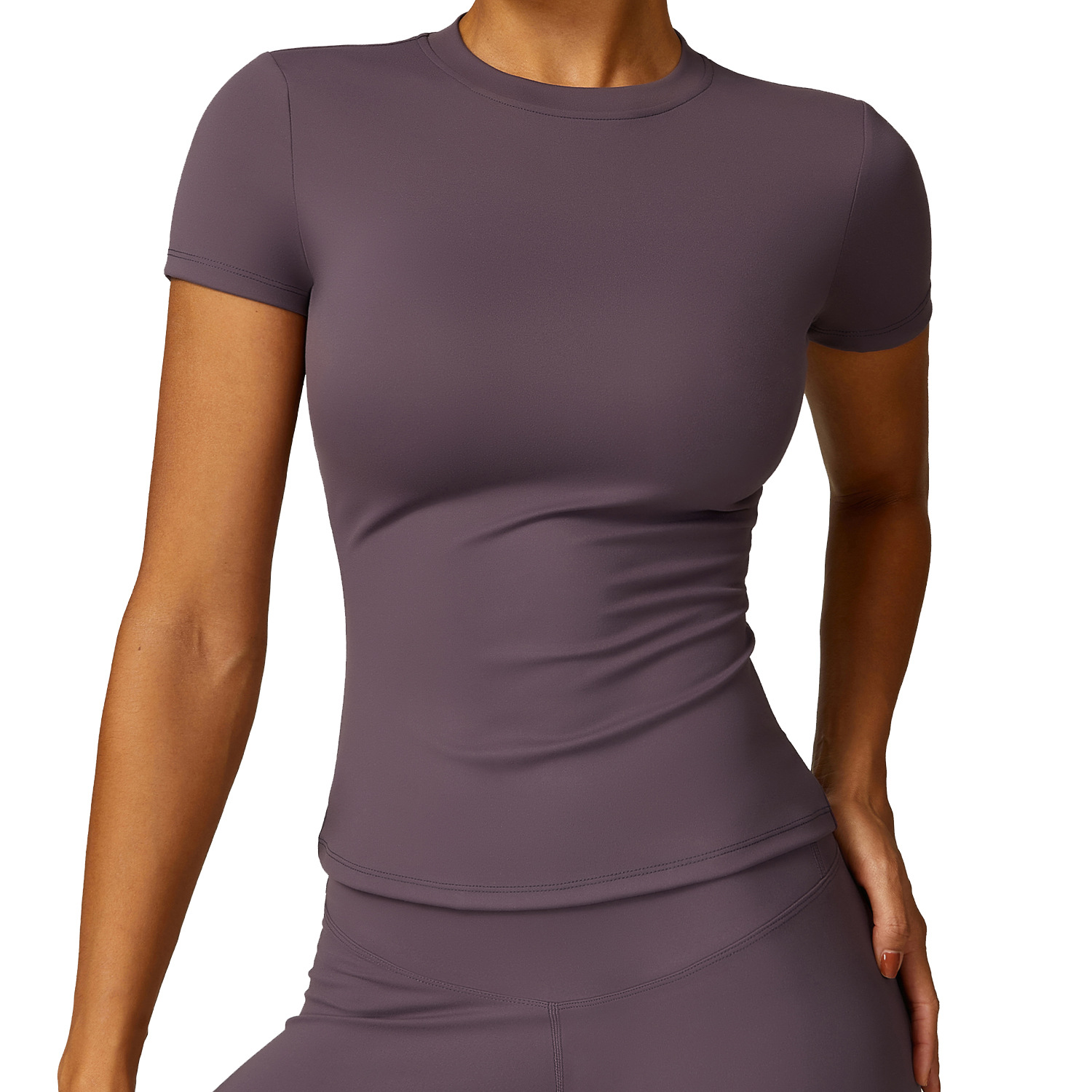
Bringing a collection to life requires choosing a clear production path. You must evaluate these approaches based on implementation realities. Brand maturity also plays a massive role in this decision.
White-labeling means leveraging pre-existing supplier designs. You simply attach your custom brand tags. The pros include incredible speed to market. You face much lower Minimum Order Quantities (MOQs). This helps you test new markets cheaply. However, the cons involve significantly lower product differentiation. Competitors might sell identical garments under different names. You cannot alter the core fit or the fabric composition.
Developing proprietary pieces involves traditional cut-and-sew manufacturing. This path requires a highly detailed tech pack. You must establish pattern grading across all sizes. The upfront timeline extends significantly compared to white-labeling. Expect multiple sampling rounds to achieve a proprietary fit. However, you maintain total control over the end product. This builds strong long-term brand equity. Customers return repeatedly for a fit they cannot find anywhere else.
Both paths carry distinct adoption risks. White-labeling limits your inventory liability initially. Yet, the lack of uniqueness can trigger race-to-the-bottom price wars. Custom production increases your upfront financial liability. You must forecast lead times highly accurately. Delays in fabric sourcing can push your launch past peak travel season.
Production Path Comparison
Criteria | White-Label Sourcing | Custom Cut-and-Sew |
|---|---|---|
Time to Market | Fast (4-6 weeks) | Slow (4-6 months) |
Differentiation | Low (Pre-existing designs) | High (Unique proprietary fit) |
Minimum Order Quantity | Low (Often 50-100 units) | High (Usually 300-500+ units) |
Inventory Risk | Low liability | High upfront investment |
Finding a highly reliable factory determines your ultimate retail success. You need a rigorous decision framework to separate good partners from bad ones. Ignore flashy factory marketing materials. Focus strictly on measurable technical capabilities.
Determine if the factory has direct access to performance textiles. Do they weave their own fabrics or outsource? Direct access speeds up product development dramatically. You must discuss testing protocols immediately. Ask how they test for colorfastness. Ensure they measure shrinkage before bulk cutting begins. Seam slippage ruins activewear quickly. Request third-party lab reports proving fabric durability. A credible partner shares these documents willingly.
Assess how a manufacturer handles rapid volume scaling. Your first order might be small. What happens when your new collection goes viral online? A good partner supports reasonable pilot-run MOQs initially. Yet, they possess the infrastructure for massive seasonal volume spikes. Ask about their maximum monthly output. Understand their machine capabilities, especially for specialized flatlock stitching.
Ethical production stands as a non-negotiable requirement today. Modern consumers demand total transparency. Require OEKO-TEX certification for all fabrics. This guarantees your textiles lack harmful chemicals. Demand strict ethical labor compliance. Look for WRAP or BSCI audits specifically. These frameworks ensure safe working conditions and fair wages. Transparent supply chain tracing builds brand trust. Refuse to work with uncertified facilities entirely.
Implementation failures quietly destroy retail margins. You must build quality assurance checkpoints into your production schedule. Avoid common industry pitfalls proactively by controlling your supply chain.
Poorly managed grading across sizes ruins emerging brands. A medium sample might fit perfectly. The extra-large bulk unit might suffer from strange proportions. This leads directly to high consumer return rates. Returns stand as the fastest way to kill profitability. You pay heavily for reverse logistics. You also lose the original retail sale. Always request full-size runs for final approval. Never approve bulk production based solely on a single medium sample.
Some unethical factories use premium fabrics for prototypes. They then downgrade the materials for bulk production secretly. This bait and switch destroys customer trust instantly. Your garments will pill, fade, or tear prematurely. Establish strict QA checkpoints to prevent this disaster. Hire third-party inspection services. They visit the factory before international shipping begins. They compare bulk production pieces directly against your approved golden sample.
Do not ignore volumetric weight calculations. Shipping heavy hoodies or thick knits costs significantly more than lightweight tees. Air freight for bulky items obliterates your profit margin. You must calculate landed costs highly accurately. Include all import duties, taxes, and final shipping fees. Optimize your packaging to reduce dimensional weight. Plan your lead times properly to allow for ocean freight. This single logistics decision saves thousands of dollars.
Moving from evaluation to engagement requires surgical precision. You need a clear action plan. Professional communication signals you are a serious, knowledgeable buyer.
Your initial outreach to a casual clothing supplier must be comprehensive. Vague emails get ignored by top-tier factories. Structure your RFQ properly.
Target Price: Include a realistic targeted FOB price.
Fabric Specs: Detail clear fabric specifications (e.g., 80% Nylon, 20% Spandex, 250 GSM).
Volume Projection: State your projected volumes for the entire first year.
Tech Pack: Attach a basic tech pack displaying flat sketches and measurements.
Providing these details proves you understand the complex manufacturing process.
Establish a strict framework for evaluating factory prototypes. Turn the garment inside out immediately. Check the internal stitch density. Loose stitching indicates rushed, sloppy production. Inspect the hardware quality meticulously. Zippers should glide smoothly without catching. Drawstrings must feature cleanly finished ends. Conduct your own aggressive wash-testing. Wash the sample five times on a normal cycle. Check for shrinkage, color bleeding, and surface pilling.
Never begin bulk production without a signed Service Level Agreement (SLA). Lock in specific quality standards legally. Define exact delivery timelines. Outline the financial penalty for late shipments. Establish clear defect-allowance terms. A standard industry allowance is 2-3%. If defects exceed this threshold, the factory must remake the items. Alternatively, they must refund the cost entirely. Get everything in writing before transferring any bulk deposits.
Successful travel and everyday wear goes far beyond trending aesthetics. It requires durable, highly scalable production. Garments must survive harsh transit, frequent washing, and continuous daily wear. You must look beyond the initial unit price when selecting a manufacturing partner. Evaluate manufacturers based on long-term partnership viability, ethical compliance, and quality consistency. These factors matter infinitely more than a few cents saved on stitching.
Take immediate action to bring your collection to life. Contact our sales and production team today. Request a comprehensive fabric swatch book to feel the quality yourself. Review detailed case studies of past successful collections. Submit your tech pack for a preliminary quote and start building a profitable, high-quality apparel line.
A: Standard Minimum Order Quantities (MOQs) typically range from 300 to 500 units per color and style for custom cut-and-sew lines. If you select widely available stock fabrics, factories may lower MOQs to 100-200 units. Proprietary custom-dyed fabrics generally require higher minimums, often exceeding 1,000 units, due to raw material dyeing minimums.
A: Developing a proprietary line usually takes 4 to 6 months. Prototyping and pattern making require 4 to 6 weeks. Sample revisions add another 2 to 4 weeks. Bulk production spans 30 to 60 days depending on factory capacity. Finally, ocean freight and customs clearance take 30 to 45 days. Air freight can shorten shipping dramatically.
A: Performance blends rule the travel wear sector. Nylon-spandex blends offer superior durability and four-way stretch for active moments. For relaxed tops, modal-cotton or bamboo blends provide ultimate breathability and softness. We highly recommend utilizing memory-stretch and wrinkle-resistant materials so garments maintain a crisp, structured appearance.
A: Always utilize independent third-party inspection agencies. Schedule a Pre-Shipment Inspection (PSI) when 80% of your goods are packed. Compare random bulk pulls against your signed golden sample. Enforce strict Service Level Agreement (SLA) terms dictating defect allowances. Never release the final balance payment until the inspection report clears all major quality checks.


